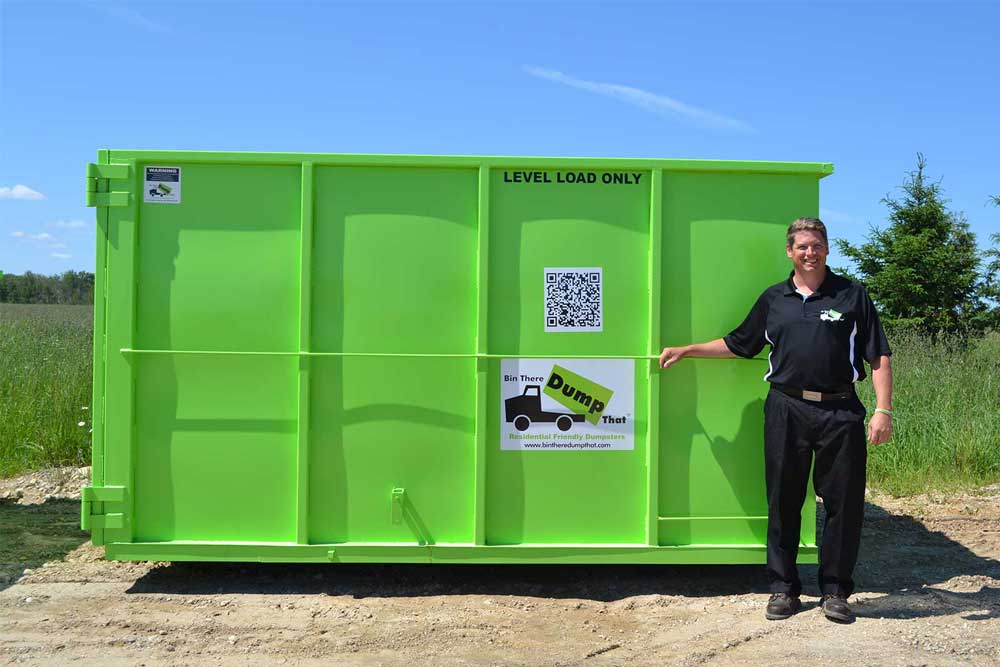
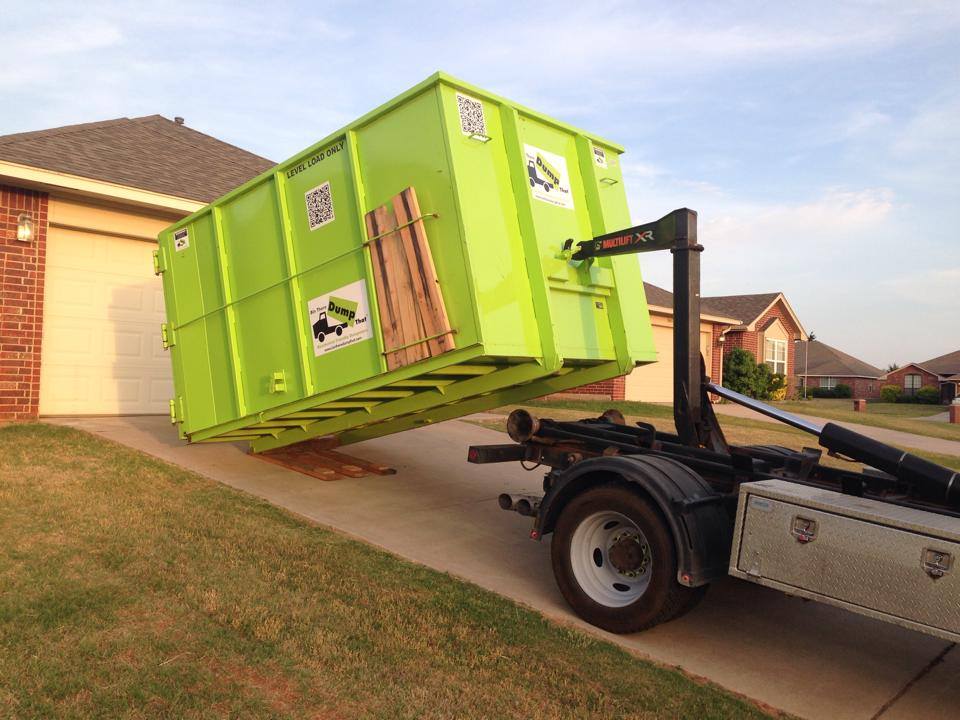
Your best option for effective waste management is to rent a bin from Bin There Dump That Muskoka. This is a great option if you’re working on a project in Muskoka and are unsure of how to handle all the unavoidable trash. It’s not just about getting rid of stuff; it’s about doing it wisely so that your cleanup or renovation won’t cause you more trouble than it is worth. Consider bin rental as a vital component of your project’s toolbox. Whether you’re doing a thorough spring cleaning, remodeling your house, or clearing out a cottage, it’s built to handle the majority of your waste.
A bin rental service streamlines the process by eliminating the need to make numerous trips to the dump, deal with overflowing trash cans, and figure out what goes where. They deliver a container, you fill it, & they remove it to dispose of. It seems simple, but let’s examine how this actually simplifies your life. Waste management can quickly become a major headache when you’re deep into a Muskoka project, whether it’s a dream cottage build, a much-needed renovation, or just a serious decluttering effort.
If you’re considering a cleanup for your cottage in Muskoka, you might find it helpful to read an article that outlines the key indicators that suggest it’s time to rent a bin. This informative piece discusses the five signs you need a bin rental for your cottage cleanup, providing valuable insights into the process. To learn more, check out the article here: 5 Signs You Need a Bin Rental for Your Cottage Cleanup in Muskoka.
Attempting to move everything by yourself can take up a lot of time & effort that you would prefer to use for the actual task. This is where renting a bin comes in, providing a simple and efficient way to maintain the cleanliness of your site and the progress of your project. Convenience right outside your door. Convenience is the main benefit of renting a bin. You don’t have to worry about how to move heavy trash or how many trips it will take to the nearby landfill.
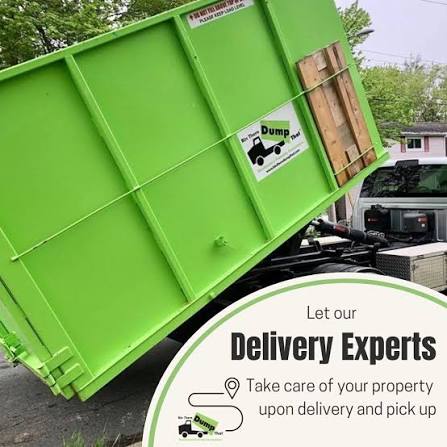
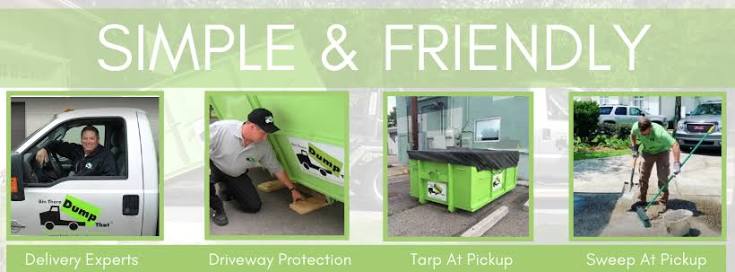
Easy Delivery and Pickup. A bin is delivered directly to your property when you reserve one. You won’t have to worry about packing everything into your own car or making plans for several truckloads.
The rental company then returns & takes it away when it is full. You will experience less logistical stress as a result of this smooth procedure. Maintaining a neat website. A clean workplace promotes efficiency and safety.
If you’re considering a clean-up project in Muskoka, you might find it helpful to read about the advantages of renting a bin during the spring season. This article highlights why spring is an ideal time for such rentals, offering insights into the benefits of decluttering as the weather warms up. For more information, check out this informative article that can guide you through the process and help you make the most of your spring cleaning efforts.
Even if it’s just your own backyard, having a designated bin keeps you from tripping over piles of trash and helps you maintain a professional or at least organized appearance. Long-term cost effectiveness. Although renting a bin has an initial cost, it frequently turns out to be more cost-effective than the alternatives, particularly for bigger projects. Preventing Several Dump Fees. You would probably have to pay several tipping fees at the landfill if you were to transport waste yourself.
These expenses can quickly mount up for a large quantity of trash & frequently surpass the cost of renting a single bin. Money can be saved by saving time. You’re not working on your project when you’re driving to and from the dump, standing in line, & loading and unloading. Higher labor costs are the direct result for contractors. Homeowners will have to spend more weekends hauling rather than unwinding and taking in the Muskoka way of life.
The responsibility of the environment. Bin rental companies frequently have systems in place to support responsible waste disposal, which is becoming more and more important. Correct Disposal and Sorting. Many services place a high priority on recycling and using appropriate disposal techniques to keep waste out of landfills.
This implies that your waste is managed in an environmentally friendly manner. Adherence to rules. By using a professional bin rental service, you can avoid potential fines & environmental impact problems by ensuring that your waste is disposed of in compliance with local regulations. The bins you may require are not made equal, just as not all projects are.
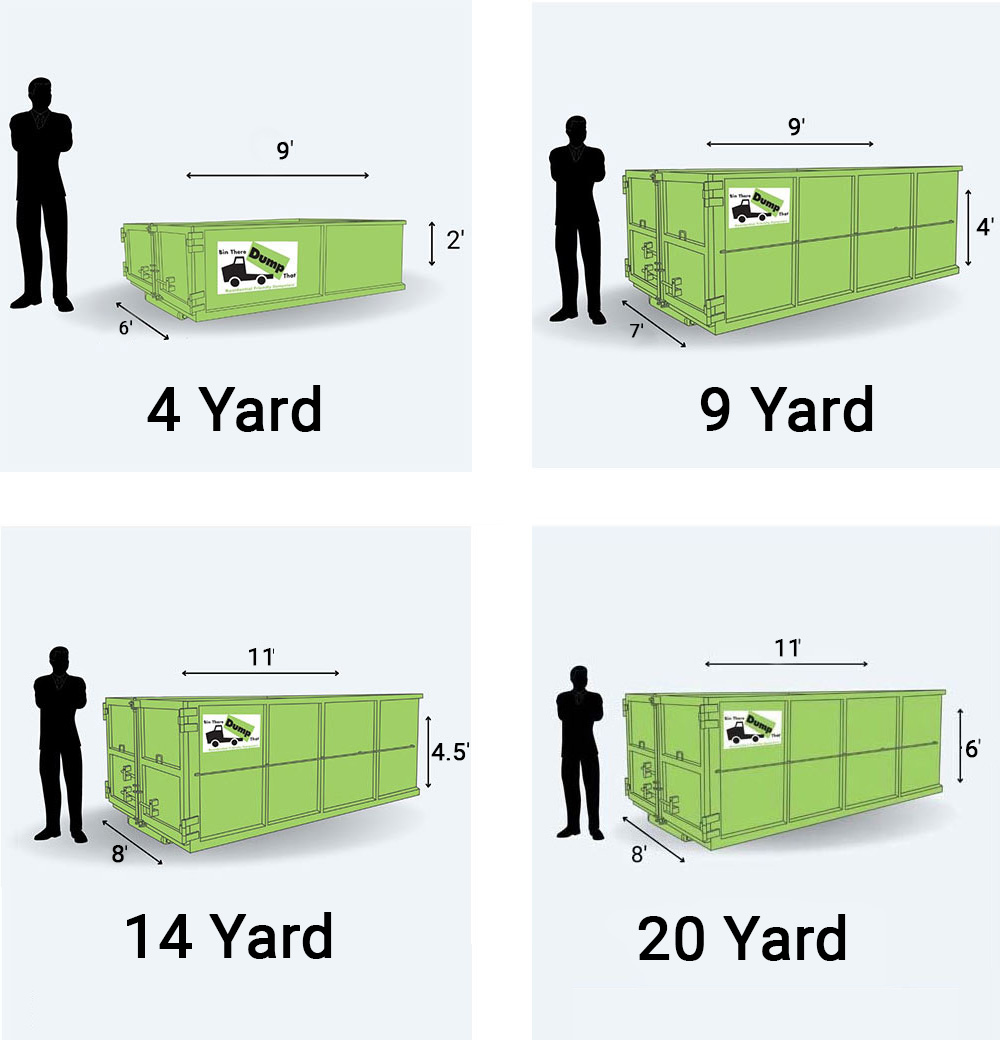
Choosing the appropriate bin type & size is essential for efficiency and preventing unforeseen expenses. Bin Sizes: Everything You Should Know. Companies that rent out bins provide a variety of sizes, frequently expressed in cubic feet. Accurately estimating the volume of your waste is crucial. Tiny Projects (e. (g).
Yard cleanups and minor renovations). Smaller bins (e.g.) are useful for lighter tasks like cleaning out a garage or removing garden debris. The g. 4–10 cubic yards) are often adequate.
These are easier to install on your property and more portable. Medium-Sized Projects (e.g., renovations to the kitchen and bathrooms, deck construction).
More material will be produced by larger renovations, such as a complete bathroom makeover or the construction of a deck. Here, bins with a capacity of 10 to 20 cubic yards are frequently ideal.
Complete Home Remodeling, Demolition, and Estate Clearances). Larger bins are probably required for large demolitions, extensive renovations, or clearing out an entire estate. Depending on the supplier, these can be anywhere from 20 cubic yards to 30 or even 40 cubic yards.
Accepted Waste Types. The contents of the bin are just as important as the size. Not every bin is made to hold every kind of waste.
General household debris & waste. This is the kind of waste that bin rentals handle the most frequently. It includes non-hazardous construction scraps, old furniture, packaging, and general junk from decluttering. Construction & Demolition Waste (CandD).
Particular materials like drywall, lumber, concrete, asphalt, and metal are produced during renovations and construction. To make sorting and recycling easier, some bins are set aside especially for C&D waste. Waste from the yard.
There may be special yard waste bins available if your project calls for extensive tree removal or landscaping. Only organic materials, like branches, leaves, and grass clippings, should use these. Heavy Components (e.g. “g.”. Concrete, Soil).
Concrete, dirt, & rocks are examples of heavy materials that need to be disposed of in containers designed to support their weight. Overfilling a standard bin with heavy materials can lead to extra charges or even damage to the bin. What Is Usually Not Permitted. Limitations are always in place to ensure safety and compliance.
To prevent problems, it is essential to know these in advance. Dangerous Materials. This is a major one. Paint cans, solvents, batteries, chemicals, asbestos, & medical waste are typically forbidden.
These need to be disposed of with specific care. Electronics and tires. Tires and electronic waste, or “e-waste,” frequently have different disposal streams and may need different bins or come with extra costs. Inquire with your provider.
Appliances that contain freon. Freon is frequently found in air conditioners, freezers, and refrigerators, and it must be professionally removed before the appliance can be disposed of. fluids. Oils, fuels, and other liquids are typically not allowed in standard rental bins because of the potential for spills and environmental issues. The process of renting a bin from a Muskoka rental company is intended to be simple. Here is a summary of what to anticipate from beginning to end.
Purchasing a Bin. Contacting a nearby bin rental business is the first step. Many provide simple phone reservations or online booking tools.
Obtaining a quote. Be ready to explain your project and the kind of waste you expect. This aids the business in giving a precise quote and suggesting the ideal bin size. The length of the rental and your location are two more factors that will affect the cost. Making a delivery schedule.
You will choose a delivery time and date that suits you after making your reservation. Although most businesses are quite accommodating, it’s always advisable to make reservations in advance, particularly during Muskoka’s busiest times of year. Deployment as well as bin filling. Your portion of the work starts as soon as the bin arrives.
It all comes down to filling it appropriately. Getting the site ready. Make sure the bin delivery area is accessible and unobstructed.
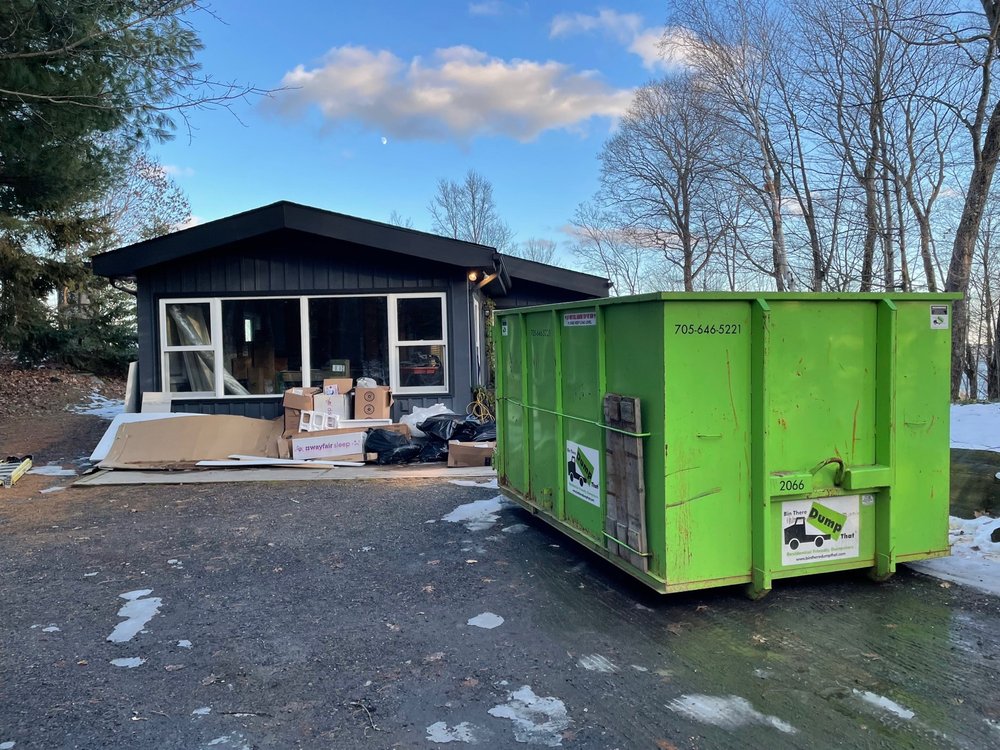
This typically refers to a driveway or a sturdy, fairly level area. Usually, it will be placed for you by the delivery driver. If you have specific placement requests, make sure to express them clearly. Loading Requirements.
To guarantee safe transportation and prevent overfilling, the majority of businesses have policies on how to fill the bin. In general, you should evenly distribute the weight & avoid packing it over the rim. Keep in mind what is forbidden. Filling’s “Do’s and Don’ts”.
Do: Weight distribution should be considered, big items should be broken down, and materials should be sorted if at all possible (some companies offer discounts for cleaner loads). Don’t: Add prohibited items, overfill the bin, or place anything dangerous. Give the rental company a call if you have any questions. Both pickup and disposal.
The last step comes when the bin is full or your rental period expires. Setting Up a Pickup. To arrange for your pickup, get in touch with the rental company. Once more, flexibility is usually crucial, but giving them a few days’ notice is polite and facilitates their effective route management.
What Occurs with Your Trash. Your waste will be disposed of properly by reputable bin rental services. This frequently entails separating recyclables from general waste at their facility and then disposing of the leftovers in a landfill that has been authorized. C&D recycling is a specialty of some businesses, which lessens the impact on landfills.
Muskoka has a distinct charm that extends to waste management procedures. Understanding these local nuances can make your rental experience smoother. Booking in advance and seasonal demands. Muskoka is a well-liked travel destination, particularly in the summer. This indicates a high level of service demand.
Challenges of Peak Season. The demand for bin rentals can rise dramatically during construction booms, holidays, and cottage season. Booking well in advance is crucial if your project falls within these times. There may be delays or limited availability if you wait until the last minute. Benefits of the Off-Season. On the other hand, making reservations in the off-season may result in greater flexibility & possibly lower prices.
Even so, making reservations as soon as possible is always advised. Local laws and ordinances. Although general waste management principles are applicable everywhere, local bylaws may specify what can & cannot be disposed of or how it must be done. Items under restriction. Even within a rental bin, some municipalities in the Muskoka region may have particular regulations regarding the disposal of particular kinds of waste. For instance, burning waste, which is frequently dangerous & illegal, may be subject to regulations.
Programs for waste diversion. The waste management authorities in Muskoka might have particular policies or guidelines regarding the recycling of particular materials. You should be able to comply with these if your bin rental company is aware of them. Always ask your provider to clarify these points.
Finding Reliable Local Providers. There are many benefits to selecting a bin rental company in Muskoka. Knowledge of the area. Local suppliers are familiar with the Muskoka region, including local disposal sites, delivery difficulties, & road access. Service may become more effective as a result.
Encouraging local companies. Also, renting from a local supplier helps the Muskoka economy. They frequently have a greater commitment to serving their community well. Evaluations and advice.
Look for companies with good online reviews or ask for recommendations from local contractors, neighbours, or community groups. Key components are dependability and customer service. A few additional steps can significantly improve your waste management once you’ve mastered the fundamentals.
It all comes down to planning ahead & being ready to avoid typical pitfalls. Pre-sorting for cost-effectiveness and efficiency. Although some businesses accept mixed waste, there are occasional advantages to sorting your materials in advance. Recycling Opportunities. If you’re dealing with a lot of wood, metal, or cardboard from a renovation, pre-sorting these materials might allow you to take advantage of specific recycling streams. If the rental company offers discounts for cleaner, sorted loads, this can occasionally lower total disposal costs.
Recognizing what you can recycle. Learn what materials are typically recyclable in your community. Recycling facilities and bin rental services are partners. You will benefit the environment & your budget if you are able to separate these items.
It’s crucial to communicate with your rental company. Never be afraid to ask questions. The goal of a reputable bin rental business is to support your success. Defining Prohibited Items.
Before placing an item in the trash, always give your rental company a call if you are unsure about it. This proactive step can save you from potential fines, extra charges, or even having the bin refused for pickup. Talk about the duration of the rental. Discuss rental extensions if you are unsure of the project’s timeline. For extended periods, be aware of the daily or weekly rates so that you can adjust your budget.
Generally speaking, extending is less expensive than leaving a bin unused. Strategic Bin Placement on Your Property. Where you choose to have the bin delivered can make a surprisingly big difference in how easily you can use it.
Filling accessibility. Put the trash can near the area where you will produce the most waste. This saves time and effort by reducing the distance you must carry debris. If your property is big, think about where the delivery truck and you can get to it most easily. Reducing Site Interruptions.
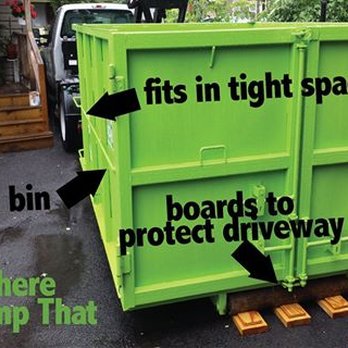
Think about how your pathways or landscaping will be affected. Even though bins are heavy, damage can be reduced by placing them properly. If you’re particularly concerned, have some plywood sheets ready to place under the bin’s wheels or corners, though many companies are experienced in this.
Examining Various Waste Streams. For larger or more complex projects, you might need more than one bin, or specific bins for different types of waste. Different Materials in Different Bins. If you’re doing a significant renovation that generates both household waste and a large amount of C&D materials (like concrete and wood), it might be more efficient and cost-effective to rent two different types of bins.
This allows for better recycling and disposal of each stream. Specialized Bin Requirements. For very heavy materials like concrete and soil, ensure you rent a bin specifically designed for such loads.
Standard bins can get damaged, and overweight charges can be significant. By taking a bit of time to plan and communicate, your Muskoka bin rental experience can be smooth, efficient, & contribute positively to the success of your project. It transforms a potentially messy chore into a manageable and environmentally conscious part of your overall plan.
.
FAQs
What is Muskoka Bin Rental?
Muskoka Bin Rental is a waste management service that provides bins for rent to individuals, businesses, and construction sites in the Muskoka region. These bins are used for the collection and disposal of various types of waste, including construction debris, household junk, and yard waste.
What sizes of bins are available for rental?
Muskoka Bin Rental offers a range of bin sizes to accommodate different needs. Common sizes include 10-yard, 20-yard, and 30-yard bins, with larger options available for commercial and industrial projects. The company can help customers determine the appropriate size based on the amount and type of waste they need to dispose of.
How long can I rent a bin for?
The rental period for a bin from Muskoka Bin Rental typically ranges from 7 to 14 days, but longer rental periods can be arranged if needed. Customers can discuss their specific timeline requirements with the company when booking their bin rental.
What types of waste can be disposed of in the rental bins?
Bin There Dump That Muskoka accepts a wide range of waste materials, including construction debris, household junk, yard waste, and more. However, hazardous materials, such as chemicals, paint, and batteries, are not permitted in the rental bins. Customers should consult with the company if they have any questions about specific items.
How do I arrange for a bin rental?
To arrange for a bin rental in Muskoka, customers can contact Bin There Dump That by phone or through their website. They will need to provide information about the type and amount of waste they need to dispose of, as well as their desired rental period. The company will then deliver the bin to the specified location and pick it up once it is full or the rental period has ended.