Category: dumpster-rental

  • Dumpsters for Contractors in Muskoka

    Dumpsters for Contractors in Muskoka

    If you’re a contractor in Muskoka, you know that every job site comes with its own unique challenges—especially when it comes to managing waste. From new builds and renovations to landscaping projects, keeping your site clean and organized is key to a successful project and a happy client.

    Why Contractors in Muskoka Need Dumpster Rentals

    Construction and renovation work generates a surprising amount of debris: old wood, drywall, roofing, packaging, and more. Having a dumpster on-site means you can keep your workspace safe, efficient, and free of clutter. It also saves time and reduces trips to the landfill, letting you focus on what you do best.

    Choosing the Right Dumpster

    In Muskoka, dumpster rental companies offer a range of sizes to suit any project—from small bins for minor renovations to large containers for major builds. Consider the scale of your job and the types of materials you’ll be disposing of. Most local providers are happy to help you estimate the right size, so you don’t pay for more than you need or run out of space mid-project.

    Tips for a Smooth Rental Experience

    • Book early: Dumpster availability can be limited during Muskoka’s busy building seasons.
    • Understand disposal rules: Some materials (like hazardous waste or certain electronics) require special handling.
    • Pick the right spot: Make sure your site has easy access for drop-off and pick-up.
    • Load smart: Distribute debris evenly to maximize space and keep the site safe.

    Local Considerations

    Depending on your location in Muskoka, you may need a permit to place a dumpster on public property or near roadways. Local rental companies are usually well-versed in these requirements and can help guide you through the process.

    Work with Local Experts

    Choosing a Muskoka-based dumpster rental service means you’ll benefit from local expertise, responsive service, and a partner who understands the unique needs of contractors in the area. Many offer flexible rental periods and helpful advice to keep your project running smoothly.

    Whether you’re building, renovating, or landscaping, a dumpster rental is a simple way to keep your Muskoka job site organized, safe, and efficient—so you can deliver your best work every time.

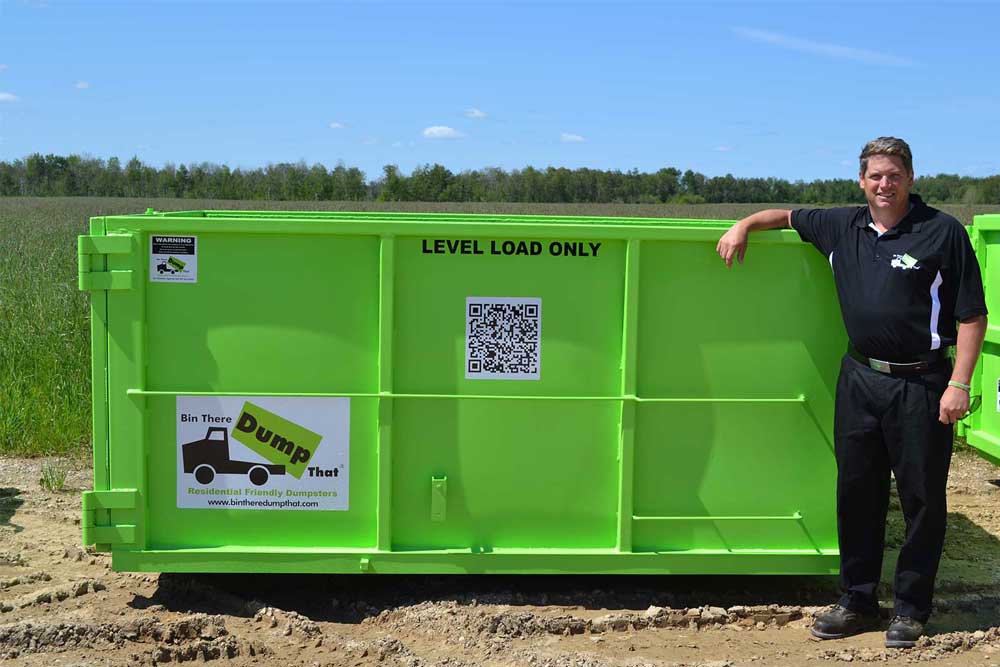
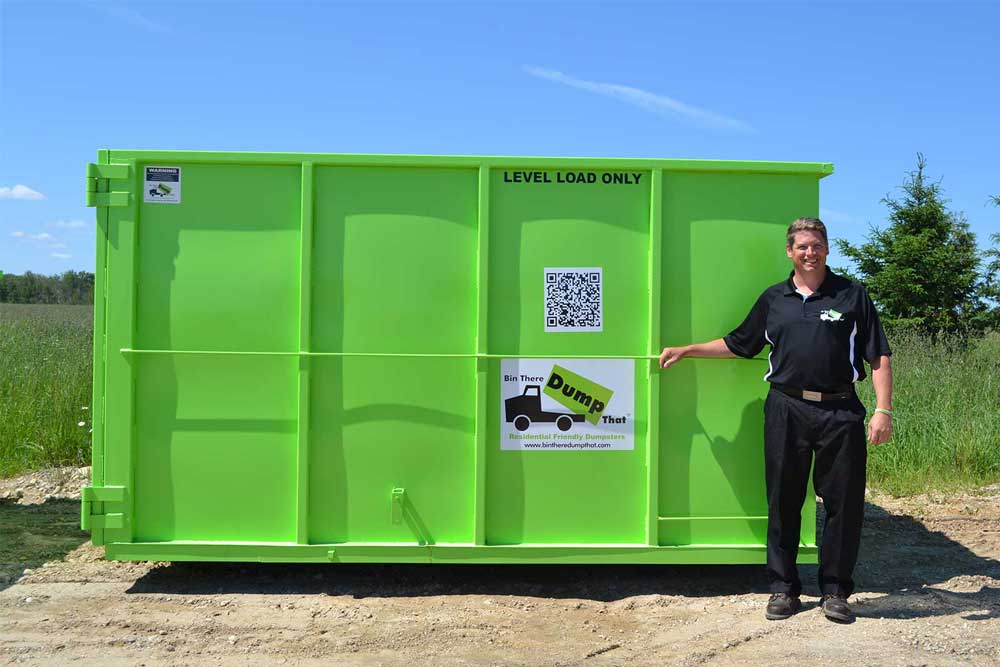
    Bin There Dump That Muskoka is your residential-friendly dumpster rental company serving Muskoka & the surrounding areas.

  • The Environmental Impact of Bin Rentals: A Closer Look

    The Environmental Impact of Bin Rentals: A Closer Look

    Waste management is essential to modern life, & bin rentals are invaluable for larger projects like renovations or clear-outs. But have you ever considered how those handy bins affect the environment? It’s more complicated than you might think, & fortunately, there are ways to make them a greener option. You’re getting more than just a metal container when you rent a bin. It involves a complex process, each of which has an impact on the environment.

    Considering this whole lifecycle enables us to identify the impact and find ways to lessen it. producing the bins themselves. It takes energy and raw materials to make those robust steel bins. Although steel is recyclable, the initial manufacturing process involves energy consumption & emissions.

    The environmental impact of bin rentals is an important topic that highlights the need for sustainable waste management practices. For those interested in exploring this issue further, a related article can be found at Muskoka Bin Rental Blog, which discusses various aspects of waste disposal and the benefits of using bin rentals to minimize ecological footprints. This resource provides valuable insights into how responsible bin rental services can contribute to a greener environment.

    Extraction of Raw Materials: Mining for coal, iron ore, and other alloys harms the environment, including potential water pollution & disturbance. Energy Consumption: Steel shaping and smelting require large amounts of electricity, which is frequently produced from fossil fuels and adds to greenhouse gas emissions. Transportation of Materials: The carbon footprint is increased by transporting these raw materials to manufacturing facilities. Fueling the Fleet: Transportation and Trucks.

    In addition to being necessary, the large trucks that deliver and retrieve bins also significantly increase fuel consumption & air pollution. This is arguably one of the service’s most obvious environmental effects. Diesel Emissions: Particulate matter, nitrogen oxides, and greenhouse gases are released when waste hauling trucks use diesel fuel. Acid rain, smog, and climate change are all influenced by these. More trucks on the road can exacerbate traffic congestion, which increases idling time & emissions. Route Optimization: Fuel consumption and emissions can be greatly increased by inefficient routing.

    It can be beneficial to select a local provider that optimizes their routes. The destination of the landfill (or diversion). The greatest environmental gains or losses take place during this stage, which is perhaps the most crucial. Much of the overall impact of the bin is determined by what happens to the waste after it leaves your property. Landfill Space: Transporting waste to landfills takes up valuable space that could be utilized for natural habitats, housing, or agriculture.

    The environmental impact of bin rentals is an important topic to consider, especially as communities strive to manage waste more sustainably. For those interested in understanding what materials can be disposed of in these rentals, a related article provides valuable insights. You can explore the specifics of acceptable items by visiting this informative guide, which highlights the best practices for using bin rentals effectively while minimizing environmental harm.

    Leachate, a hazardous liquid that can contaminate groundwater, is another product of landfills. Methane Production: When organic waste breaks down in oxygen-free landfills, it releases methane, a strong greenhouse gas that has a much greater short-term impact than carbon dioxide. Resource Depletion: When salvageable materials are thrown away, new raw materials must be extracted and processed, which feeds the cycle of consumption & environmental deterioration. When waste is diverted from landfills, bin rentals have a much better environmental story.

    Innovation and thoughtful decisions really shine here. Recycling is the cornerstone of diversion. The most popular and frequently available method of waste diversion is recycling.

    These days, a lot of bin rental companies provide separate bins for particular materials or combined recycling. Material-Specific Bins: Concrete, metal, cardboard, and wood can all have their own bins. This facilitates sorting at the source and raises the possibility of recycling success.

    Commingled Recycling: Although convenient, commingled bins need to be thoroughly sorted at a material recovery facility (MRF). If the materials are not properly separated, this can occasionally result in contamination and landfilling. Energy Savings: Compared to creating new materials from virgin resources, recycling materials like steel, plastic, and aluminum results in significant energy savings.

    Decreased Extraction of Raw Materials: Less logging and mining results in less habitat destruction and less energy used to extract new resources. Organic waste composting. Composting is an excellent way to keep organic waste out of landfills for projects involving yard waste, brush, or specific food scraps. Nutrient-Rich Soil: By converting organic waste into useful soil amendments, composting improves water retention, enriches soil, and lessens the need for chemical fertilizers. Methane Reduction: Composting stops the production of methane by aerobically (with oxygen) breaking down organic matter, which is a major benefit for mitigating climate change.

    Closed-Loop System: This makes the system more circular & turns waste into a resource. Reuse and Repurposing: Giving Materials a Second Chance. Think about whether something can be repurposed or reused before putting it in a recycling bin. Since it completely avoids processing, this is frequently the most ecologically friendly choice. Donation: Good-quality furniture, appliances, and building supplies can frequently be given to charitable organizations or thrift shops. Upcycling: Ingenious people can create new, practical products out of used materials.

    Consider repurposing old doors as tables or pallets as garden furnishings. Material Exchanges: Used building materials can be sourced or offered through online platforms or programs in certain communities. Facilities that convert waste into energy (WTE).

    WTE facilities can be an alternative to landfills, especially for non-recyclable residual waste, but they are not as good as recycling or composting because of emissions. Energy Generation: By burning waste to generate heat or electricity, these facilities lessen the need for fossil fuels. Decreased Landfill Volume: WTE considerably lowers the amount of waste that needs to be disposed of in landfills, usually by 70% in weight and 90% in volume.

    Emissions Concerns: Despite strict emission regulations, modern WTE plants nevertheless emit pollutants & greenhouse gases, albeit frequently in smaller amounts than methane from landfills would over time. The good news is that you have control over this process as a customer. Your bin rental’s environmental impact can be greatly decreased by making wise choices. Select Your Provider Carefully. When it comes to environmental practices, not all bin rental companies are the same.

    Before you book, do some research. Inquire About Diversion Rates: A respectable business ought to be able to tell you what proportion of the waste they collect is kept out of landfills. The better, the higher.

    Ask About Sorting Procedures: Do they sort at their facility or do they provide different bins for different materials? Examine Their Fleet: Do they have any initiatives for route optimization? Do they employ newer, more fuel-efficient cars? Local Providers: Choosing a local business can lower emissions from transportation.

    Carefully Sort Your Trash. This is possibly the most significant action you can take. Your waste streams are more likely to be recycled or composted if they are cleaner.

    Know What Goes Where: Request a detailed list of what can and cannot be placed in each type of bin from your bin rental company. Sort Organics: If you have waste that is organic (e.g. A g. yard waste, untreated wood), think about using a different container for composting.

    Eliminate Contaminants: An entire batch of recyclables can be contaminated by a single non-recyclable item, which would send them all to the landfill. Be meticulous. Educate Others: If someone else is adding to the trash can (e. The g. Make sure they comprehend the sorting guidelines during a construction project.

    Reduce Waste Production Early on. Never-created waste is the most ecologically friendly waste. Although it may seem apparent, making a conscious effort is worthwhile. Plan Ahead: To prevent making unnecessary purchases, precisely estimate the materials required for renovation projects.

    Deconstruct, Don’t Demolish: Rather than just demolishing and producing mixed rubble, carefully disassemble buildings whenever you can to save materials for recycling or reuse. Purchase Durable Goods: Select long-lasting products to cut down on the need for replacements and the waste that results. Think About Sustainable Materials: When building or remodeling, choose materials that are recyclable, recycled, or sourced sustainably. Optimize Bin Usage and Size. Reducing the impact on the environment can also be achieved by selecting the appropriate size bin and effectively managing its use.

    Precise Sizing: If you rent a bin that is too big, you will have to pay for extra space and possibly extra fuel to transport a partially empty container. If it’s too small, you may require several pickups, which would increase the cost of transportation. Consolidate Waste: To prevent making repeated trips for bins that are only partially filled, fill the bin as efficiently as you can, compacting materials where necessary. Shared Bins: To fill a larger bin more effectively for larger projects or neighborhood clean-ups, think about combining resources with neighbors. Regulations, technical developments, and growing environmental consciousness all contribute to the waste management sector’s ongoing evolution. cutting-edge sorting technologies.

    Optical sorters, robotics, & artificial intelligence are lowering contamination rates and increasing the efficiency of material recovery facilities. This implies that more materials can be effectively kept out of landfills. Electric fleet and alternative fuels. In an effort to drastically cut emissions, some waste haulers are starting to experiment with alternative fuels like compressed natural gas (CNG) or even electric waste trucks. The principles of a circular economy.

    Waste management, including bin rentals, will be drastically altered by the broader transition to a “circular economy” where waste is planned out, goods and materials are kept in use, and natural systems are regenerated. This implies a stronger focus on high-value recycling, reuse, and repair. Changes in regulations & policy. Policies such as carbon pricing, extended producer responsibility (EPR) programs, and landfill bans for specific materials are being implemented by governments more frequently. These measures encourage better waste management practices from both consumers and bin rental companies.

    In conclusion, even though bin rentals are incredibly convenient, they have a significant & varied impact on the environment. However, we can turn them from a necessary evil into a more sustainable solution for our waste management needs by being aware of the different phases of their lifecycle and actively selecting greener options, both as suppliers and consumers. It’s about seeing beyond the mere appearance & disappearance of a bin and appreciating the bigger system at work, as well as our ability to positively impact it.
    .


    FAQs


    What is the environmental impact of bin rentals?

    Bin rentals can have both positive and negative environmental impacts. On the positive side, they can help with proper waste management and recycling efforts. However, if not managed properly, bin rentals can contribute to increased landfill waste and pollution.

    How can bin rentals help with environmental sustainability?

    Bin rentals can help with environmental sustainability by providing a convenient way for individuals and businesses to properly dispose of waste and recyclable materials. This can help reduce illegal dumping and promote recycling efforts.

    What are some potential negative environmental impacts of bin rentals?

    Some potential negative environmental impacts of bin rentals include increased landfill waste, pollution from improper disposal of hazardous materials, and the use of non-biodegradable materials in the bins themselves.

    How can bin rental companies minimize their environmental impact?

    Bin rental companies can minimize their environmental impact by using eco-friendly materials for their bins, promoting recycling and proper waste disposal practices, and offering options for hazardous waste disposal.

    What can individuals and businesses do to minimize the environmental impact of bin rentals?

    Individuals and businesses can minimize the environmental impact of bin rentals by properly sorting their waste, recycling as much as possible, and choosing bin rental companies that prioritize environmental sustainability.

    Bin There Dump That Muskoka is one of the best bin rental companies in the area. Contact us for all your Muskoka bin rental needs.

  • Efficient Waste Management with Muskoka Bin Rental

    Efficient Waste Management with Muskoka Bin Rental

    Your best option for effective waste management is to rent a bin from Bin There Dump That Muskoka. This is a great option if you’re working on a project in Muskoka and are unsure of how to handle all the unavoidable trash. It’s not just about getting rid of stuff; it’s about doing it wisely so that your cleanup or renovation won’t cause you more trouble than it is worth. Consider bin rental as a vital component of your project’s toolbox. Whether you’re doing a thorough spring cleaning, remodeling your house, or clearing out a cottage, it’s built to handle the majority of your waste.

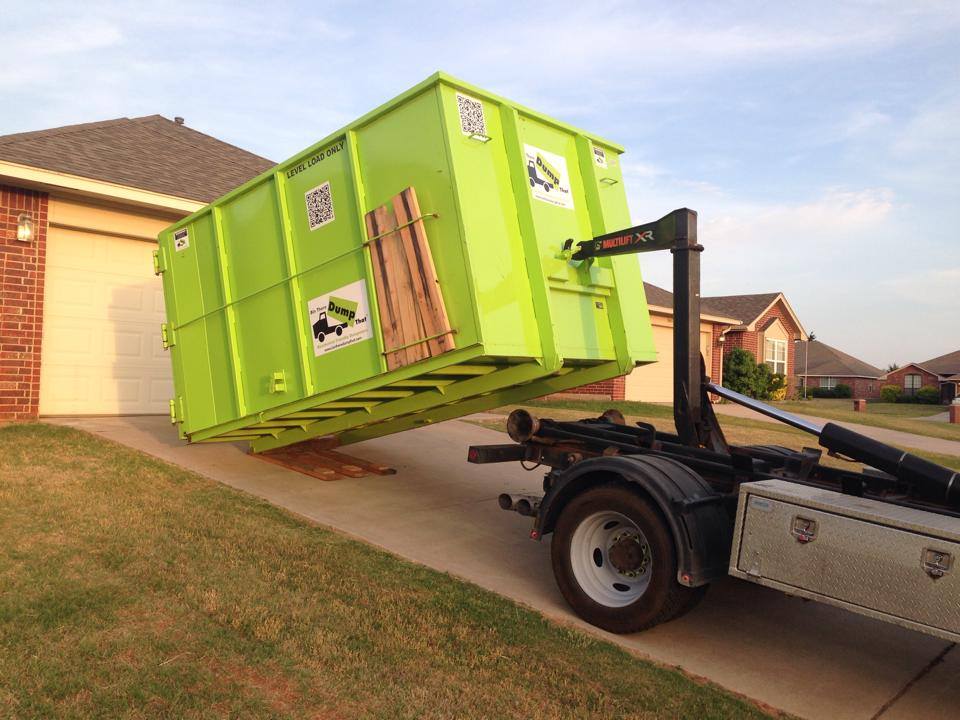
    A bin rental service streamlines the process by eliminating the need to make numerous trips to the dump, deal with overflowing trash cans, and figure out what goes where. They deliver a container, you fill it, & they remove it to dispose of. It seems simple, but let’s examine how this actually simplifies your life. Waste management can quickly become a major headache when you’re deep into a Muskoka project, whether it’s a dream cottage build, a much-needed renovation, or just a serious decluttering effort.

    If you’re considering a cleanup for your cottage in Muskoka, you might find it helpful to read an article that outlines the key indicators that suggest it’s time to rent a bin. This informative piece discusses the five signs you need a bin rental for your cottage cleanup, providing valuable insights into the process. To learn more, check out the article here: 5 Signs You Need a Bin Rental for Your Cottage Cleanup in Muskoka.

    Attempting to move everything by yourself can take up a lot of time & effort that you would prefer to use for the actual task. This is where renting a bin comes in, providing a simple and efficient way to maintain the cleanliness of your site and the progress of your project. Convenience right outside your door. Convenience is the main benefit of renting a bin. You don’t have to worry about how to move heavy trash or how many trips it will take to the nearby landfill.

    Easy Delivery and Pickup. A bin is delivered directly to your property when you reserve one. You won’t have to worry about packing everything into your own car or making plans for several truckloads.

    The rental company then returns & takes it away when it is full. You will experience less logistical stress as a result of this smooth procedure. Maintaining a neat website. A clean workplace promotes efficiency and safety.

    If you’re considering a clean-up project in Muskoka, you might find it helpful to read about the advantages of renting a bin during the spring season. This article highlights why spring is an ideal time for such rentals, offering insights into the benefits of decluttering as the weather warms up. For more information, check out this informative article that can guide you through the process and help you make the most of your spring cleaning efforts.

    Even if it’s just your own backyard, having a designated bin keeps you from tripping over piles of trash and helps you maintain a professional or at least organized appearance. Long-term cost effectiveness. Although renting a bin has an initial cost, it frequently turns out to be more cost-effective than the alternatives, particularly for bigger projects. Preventing Several Dump Fees. You would probably have to pay several tipping fees at the landfill if you were to transport waste yourself.

    These expenses can quickly mount up for a large quantity of trash & frequently surpass the cost of renting a single bin. Money can be saved by saving time. You’re not working on your project when you’re driving to and from the dump, standing in line, & loading and unloading. Higher labor costs are the direct result for contractors. Homeowners will have to spend more weekends hauling rather than unwinding and taking in the Muskoka way of life.

    The responsibility of the environment. Bin rental companies frequently have systems in place to support responsible waste disposal, which is becoming more and more important. Correct Disposal and Sorting. Many services place a high priority on recycling and using appropriate disposal techniques to keep waste out of landfills.

    This implies that your waste is managed in an environmentally friendly manner. Adherence to rules. By using a professional bin rental service, you can avoid potential fines & environmental impact problems by ensuring that your waste is disposed of in compliance with local regulations. The bins you may require are not made equal, just as not all projects are.

    Choosing the appropriate bin type & size is essential for efficiency and preventing unforeseen expenses. Bin Sizes: Everything You Should Know. Companies that rent out bins provide a variety of sizes, frequently expressed in cubic feet. Accurately estimating the volume of your waste is crucial. Tiny Projects (e. (g).

    Yard cleanups and minor renovations). Smaller bins (e.g.) are useful for lighter tasks like cleaning out a garage or removing garden debris. The g. 4–10 cubic yards) are often adequate.

    These are easier to install on your property and more portable. Medium-Sized Projects (e.g., renovations to the kitchen and bathrooms, deck construction).

    More material will be produced by larger renovations, such as a complete bathroom makeover or the construction of a deck. Here, bins with a capacity of 10 to 20 cubic yards are frequently ideal.

    Complete Home Remodeling, Demolition, and Estate Clearances). Larger bins are probably required for large demolitions, extensive renovations, or clearing out an entire estate. Depending on the supplier, these can be anywhere from 20 cubic yards to 30 or even 40 cubic yards.

    Accepted Waste Types. The contents of the bin are just as important as the size. Not every bin is made to hold every kind of waste.

    General household debris & waste. This is the kind of waste that bin rentals handle the most frequently. It includes non-hazardous construction scraps, old furniture, packaging, and general junk from decluttering. Construction & Demolition Waste (CandD).

    Particular materials like drywall, lumber, concrete, asphalt, and metal are produced during renovations and construction. To make sorting and recycling easier, some bins are set aside especially for C&D waste. Waste from the yard.

    There may be special yard waste bins available if your project calls for extensive tree removal or landscaping. Only organic materials, like branches, leaves, and grass clippings, should use these. Heavy Components (e.g. “g.”. Concrete, Soil).

    Concrete, dirt, & rocks are examples of heavy materials that need to be disposed of in containers designed to support their weight. Overfilling a standard bin with heavy materials can lead to extra charges or even damage to the bin. What Is Usually Not Permitted. Limitations are always in place to ensure safety and compliance.

    To prevent problems, it is essential to know these in advance. Dangerous Materials. This is a major one. Paint cans, solvents, batteries, chemicals, asbestos, & medical waste are typically forbidden.

    These need to be disposed of with specific care. Electronics and tires. Tires and electronic waste, or “e-waste,” frequently have different disposal streams and may need different bins or come with extra costs. Inquire with your provider.

    Appliances that contain freon. Freon is frequently found in air conditioners, freezers, and refrigerators, and it must be professionally removed before the appliance can be disposed of. fluids. Oils, fuels, and other liquids are typically not allowed in standard rental bins because of the potential for spills and environmental issues. The process of renting a bin from a Muskoka rental company is intended to be simple. Here is a summary of what to anticipate from beginning to end.

    Purchasing a Bin. Contacting a nearby bin rental business is the first step. Many provide simple phone reservations or online booking tools.

    Obtaining a quote. Be ready to explain your project and the kind of waste you expect. This aids the business in giving a precise quote and suggesting the ideal bin size. The length of the rental and your location are two more factors that will affect the cost. Making a delivery schedule.

    You will choose a delivery time and date that suits you after making your reservation. Although most businesses are quite accommodating, it’s always advisable to make reservations in advance, particularly during Muskoka’s busiest times of year. Deployment as well as bin filling. Your portion of the work starts as soon as the bin arrives.

    It all comes down to filling it appropriately. Getting the site ready. Make sure the bin delivery area is accessible and unobstructed.

    This typically refers to a driveway or a sturdy, fairly level area. Usually, it will be placed for you by the delivery driver. If you have specific placement requests, make sure to express them clearly. Loading Requirements.

    To guarantee safe transportation and prevent overfilling, the majority of businesses have policies on how to fill the bin. In general, you should evenly distribute the weight & avoid packing it over the rim. Keep in mind what is forbidden. Filling’s “Do’s and Don’ts”.

    Do: Weight distribution should be considered, big items should be broken down, and materials should be sorted if at all possible (some companies offer discounts for cleaner loads). Don’t: Add prohibited items, overfill the bin, or place anything dangerous. Give the rental company a call if you have any questions. Both pickup and disposal.

    The last step comes when the bin is full or your rental period expires. Setting Up a Pickup. To arrange for your pickup, get in touch with the rental company. Once more, flexibility is usually crucial, but giving them a few days’ notice is polite and facilitates their effective route management.

    What Occurs with Your Trash. Your waste will be disposed of properly by reputable bin rental services. This frequently entails separating recyclables from general waste at their facility and then disposing of the leftovers in a landfill that has been authorized. C&D recycling is a specialty of some businesses, which lessens the impact on landfills.

    Muskoka has a distinct charm that extends to waste management procedures. Understanding these local nuances can make your rental experience smoother. Booking in advance and seasonal demands. Muskoka is a well-liked travel destination, particularly in the summer. This indicates a high level of service demand.

    Challenges of Peak Season. The demand for bin rentals can rise dramatically during construction booms, holidays, and cottage season. Booking well in advance is crucial if your project falls within these times. There may be delays or limited availability if you wait until the last minute. Benefits of the Off-Season. On the other hand, making reservations in the off-season may result in greater flexibility & possibly lower prices.

    Even so, making reservations as soon as possible is always advised. Local laws and ordinances. Although general waste management principles are applicable everywhere, local bylaws may specify what can & cannot be disposed of or how it must be done. Items under restriction. Even within a rental bin, some municipalities in the Muskoka region may have particular regulations regarding the disposal of particular kinds of waste. For instance, burning waste, which is frequently dangerous & illegal, may be subject to regulations.

    Programs for waste diversion. The waste management authorities in Muskoka might have particular policies or guidelines regarding the recycling of particular materials. You should be able to comply with these if your bin rental company is aware of them. Always ask your provider to clarify these points.

    Finding Reliable Local Providers. There are many benefits to selecting a bin rental company in Muskoka. Knowledge of the area. Local suppliers are familiar with the Muskoka region, including local disposal sites, delivery difficulties, & road access. Service may become more effective as a result.

    Encouraging local companies. Also, renting from a local supplier helps the Muskoka economy. They frequently have a greater commitment to serving their community well. Evaluations and advice.

    Look for companies with good online reviews or ask for recommendations from local contractors, neighbours, or community groups. Key components are dependability and customer service. A few additional steps can significantly improve your waste management once you’ve mastered the fundamentals.

    It all comes down to planning ahead & being ready to avoid typical pitfalls. Pre-sorting for cost-effectiveness and efficiency. Although some businesses accept mixed waste, there are occasional advantages to sorting your materials in advance. Recycling Opportunities. If you’re dealing with a lot of wood, metal, or cardboard from a renovation, pre-sorting these materials might allow you to take advantage of specific recycling streams. If the rental company offers discounts for cleaner, sorted loads, this can occasionally lower total disposal costs.

    Recognizing what you can recycle. Learn what materials are typically recyclable in your community. Recycling facilities and bin rental services are partners. You will benefit the environment & your budget if you are able to separate these items.

    It’s crucial to communicate with your rental company. Never be afraid to ask questions. The goal of a reputable bin rental business is to support your success. Defining Prohibited Items.

    Before placing an item in the trash, always give your rental company a call if you are unsure about it. This proactive step can save you from potential fines, extra charges, or even having the bin refused for pickup. Talk about the duration of the rental. Discuss rental extensions if you are unsure of the project’s timeline. For extended periods, be aware of the daily or weekly rates so that you can adjust your budget.

    Generally speaking, extending is less expensive than leaving a bin unused. Strategic Bin Placement on Your Property. Where you choose to have the bin delivered can make a surprisingly big difference in how easily you can use it.

    Filling accessibility. Put the trash can near the area where you will produce the most waste. This saves time and effort by reducing the distance you must carry debris. If your property is big, think about where the delivery truck and you can get to it most easily. Reducing Site Interruptions.

    Think about how your pathways or landscaping will be affected. Even though bins are heavy, damage can be reduced by placing them properly. If you’re particularly concerned, have some plywood sheets ready to place under the bin’s wheels or corners, though many companies are experienced in this.

    Examining Various Waste Streams. For larger or more complex projects, you might need more than one bin, or specific bins for different types of waste. Different Materials in Different Bins. If you’re doing a significant renovation that generates both household waste and a large amount of C&D materials (like concrete and wood), it might be more efficient and cost-effective to rent two different types of bins.

    This allows for better recycling and disposal of each stream. Specialized Bin Requirements. For very heavy materials like concrete and soil, ensure you rent a bin specifically designed for such loads.

    Standard bins can get damaged, and overweight charges can be significant. By taking a bit of time to plan and communicate, your Muskoka bin rental experience can be smooth, efficient, & contribute positively to the success of your project. It transforms a potentially messy chore into a manageable and environmentally conscious part of your overall plan.
    .


    FAQs


    What is Muskoka Bin Rental?

    Muskoka Bin Rental is a waste management service that provides bins for rent to individuals, businesses, and construction sites in the Muskoka region. These bins are used for the collection and disposal of various types of waste, including construction debris, household junk, and yard waste.

    What sizes of bins are available for rental?

    Muskoka Bin Rental offers a range of bin sizes to accommodate different needs. Common sizes include 10-yard, 20-yard, and 30-yard bins, with larger options available for commercial and industrial projects. The company can help customers determine the appropriate size based on the amount and type of waste they need to dispose of.

    How long can I rent a bin for?

    The rental period for a bin from Muskoka Bin Rental typically ranges from 7 to 14 days, but longer rental periods can be arranged if needed. Customers can discuss their specific timeline requirements with the company when booking their bin rental.

    What types of waste can be disposed of in the rental bins?

    Bin There Dump That Muskoka accepts a wide range of waste materials, including construction debris, household junk, yard waste, and more. However, hazardous materials, such as chemicals, paint, and batteries, are not permitted in the rental bins. Customers should consult with the company if they have any questions about specific items.

    How do I arrange for a bin rental?

    To arrange for a bin rental in Muskoka, customers can contact Bin There Dump That by phone or through their website. They will need to provide information about the type and amount of waste they need to dispose of, as well as their desired rental period. The company will then deliver the bin to the specified location and pick it up once it is full or the rental period has ended.
  • The Cost of Bin Rental in Muskoka: What to Expect

    The Cost of Bin Rental in Muskoka: What to Expect

    Let’s discuss something that quite a few people will deal with: Bin Rental. In particular, what you should budget for when you need to rent a bin in the city of Muskoka. The short answer is that it will vary. A typical residential project can cost anywhere from a few hundred dollars to more than a thousand dollars.

    It’s not a set price, and several factors will cause the bin rental price to fluctuate.
    .

    FAQs

    What factors affect the cost of bin rental in Muskoka?

    The cost of bin rental in Muskoka can be affected by factors such as the size of the bin, the duration of the rental, the type of waste being disposed of, and the specific requirements of the rental company.

    What are the typical sizes of bins available for rental in Muskoka?

    Bins available for rental in Muskoka typically come in a range of sizes, including 10-yard, 20-yard, and 30-yard options. The size of the bin needed will depend on the amount of waste being generated and the specific requirements of the project.

    Are there any additional fees associated with bin rental in Muskoka?

    Additional fees that may be associated with bin rental in Muskoka can include delivery and pickup fees, fees for exceeding weight limits, and fees for disposing of certain types of waste. It’s important to inquire about any potential additional fees when arranging for bin rental.

    What types of waste can be disposed of in rental bins in Muskoka?

    Rental bins in Muskoka can typically be used to dispose of a variety of waste materials, including construction debris, household junk, yard waste, and more. However, certain hazardous materials may not be permitted for disposal in rental bins.

    How can I find the best deal on bin rental in Muskoka?

    To find the best deal on bin rental in Muskoka, it’s recommended to compare prices and services from multiple rental companies. Additionally, consider factors such as the company’s reputation, customer reviews, and any additional services offered.

  • Recycling Services in Muskoka: Making a Sustainable Impact

    Recycling Services in Muskoka: Making a Sustainable Impact

    Muskoka’s Recycling Services: How Locals Are Making a Real Difference. You’re not the only one wondering how to manage your waste in Muskoka. For good reason, a lot of locals and tourists are curious about the specifics of recycling.

    It’s important to actively contribute to a cleaner, more sustainable Muskoka for everyone, not just place trash cans. This guide goes into detail about Muskoka’s recycling services, including what they entail, how they operate, and the difference your participation makes. Let’s get right to the point: understanding what is acceptable & how to prepare it is the first step towards effective recycling. The efficiency with which materials can be recycled is greatly impacted by adhering to Muskoka’s specific guidelines. The enemy of recycling programs is contamination, which causes materials to end up in landfills even after they have been collected.

    Recycling services in Muskoka play a crucial role in maintaining the region’s natural beauty and promoting sustainable practices among residents and visitors alike. For those looking to enhance their recycling efforts, it’s beneficial to understand the advantages of renting a bin, especially during the spring season when many people engage in cleaning and decluttering. To learn more about why spring is the best time to rent a bin in Muskoka, you can read this informative article: Why Spring is the Best Time to Rent a Bin in Muskoka.

    The Blue Bin Program: Your Daily Hero. The foundation of residential recycling in Muskoka is the curbside blue bin program. The most typical recyclable materials produced in our homes are intended to be captured. Beyond the Number: Plastics. This is often where confusion lies.

    Although plastic containers may have numbers on them, Muskoka’s program usually accepts plastic containers used for food or drink. Consider soda bottles, yogurt cups, and tubs of margarine. Emptying and rinsing them is crucial. Also, aerosol cans without plastic caps are typically accepted.

    Even within a region, regulations can differ slightly, so it’s important to double-check the specific local guidelines. Dry and flatten cardboard and paper. The blue bin is often filled with newspapers, magazines, junk mail, cereal boxes (without liners), & flattened cardboard boxes. The important things here are to flatten cardboard to save space, & to keep everything as dry as possible.

    Recycling services in Muskoka play a crucial role in maintaining the region’s natural beauty and promoting sustainability. For those considering a cleanup project, understanding when to rent a bin can be essential. A helpful resource on this topic can be found in a related article that discusses the signs indicating you might need a bin rental for your cottage cleanup in Muskoka. You can read more about it here. By utilizing these services, residents can ensure that their waste is managed responsibly while contributing to a cleaner environment.

    Wet paper & cardboard can get moldy and become difficult to recycle. Pizza boxes with grease stains are a common offender; unfortunately, the grease contaminates the paper fibers. Rinse & recycle metal cans. Aluminum and steel cans, like those from soup, vegetables, and beverages, are highly recyclable. A quick rinse is usually all they need.

    Recycling services in Muskoka play a crucial role in promoting sustainability and reducing waste in the community. For those looking to understand what materials can be effectively recycled, a helpful resource is available in the article that discusses the specifics of bin rentals in the area. You can read more about this topic in the article what can you put in a bin rental in Muskoka, which provides valuable insights into proper waste disposal practices and the importance of recycling.

    Make sure to take out any straws or plastic lids. Glass Containers: Handle with Care. Glass jars and bottles are accepted. Like with plastics & metals, a good rinse is essential. Again, remove any lids or caps.

    Be mindful not to include broken glass in your blue bin; for safety reasons, broken glass is typically not accepted in curbside recycling & should be disposed of safely in your regular waste. What Doesn’t Go in the Blue Bin? This is just as important as knowing what does.

    Unfortunately, many items that look recyclable aren’t accepted in the curbside program due to technical or contamination issues. The “Wish-Cycling” Trap. Many people fall into the “wish-cycling” trap – tossing something in the blue bin hoping it gets recycled.

    This often harms the process. Common culprits include plastic bags and film (these jam sorting machinery), Styrofoam, ceramics, food-soiled containers, and electronics. Where to Take the “No’s”. Don’t despair if an item isn’t blue bin friendly.

    Many of these things have separate, specialized recycling streams. We’ll cover those later. While the blue bin handles a lot, Muskoka offers other avenues for recycling items that can’t go to your curb. These facilities are crucial for capturing a wider range of materials & ensuring they’re handled responsibly. Waste Transfer Stations: Your Local Hubs.

    Muskoka has several transfer stations that serve as key points for residents to drop off their waste and recyclables. These aren’t landfills themselves; they’re places where waste is consolidated for transport to larger processing facilities. What You Can Bring to Transfer Stations. Here’s where you can often take materials that don’t fit in your blue bin. Think larger cardboard boxes, some types of plastics not accepted curbside, and even specific local recycling initiatives.

    It’s always a good idea to check the specific transfer station’s accepted materials list before you go, as offerings can vary. This prevents any wasted trips. Fees and Procedures.

    Be aware that some materials dropped off at transfer stations might have associated fees. This is often the case for bulky items or construction debris. Familiarize yourself with the operating hours and any specific procedures for drop-off, such as sorting materials yourself. Regional and Provincial Programs: Tapping into Wider Networks.

    Muskoka participates in broader recycling initiatives that cover items often purchased by households. These programs are essential for managing the lifecycle of products once they leave the store. Stewardship Ontario Programs. Programs like those managed by Stewardship Ontario are vital for recycling specific product types. This often includes items like electronics and household hazardous waste. Electronics Recycling (e-Waste).

    Old computers, televisions, cell phones, and other electronic devices contain valuable materials but also hazardous components. Designated e-waste collection sites handle these responsibly, ensuring proper disposal and recovery of valuable metals. Household Hazardous Waste (HHW).

    Batteries, paint, chemicals, & fluorescent light bulbs are considered household hazardous waste. These items should never go in regular garbage or recycling bins as they can be harmful to the environment and pose safety risks. Muskoka typically has specific collection events or drop-off locations for HHW.

    Tire Stewardship. Old tires are another item that requires special handling. Programs exist to collect & recycle them, often turning them into new products or energy. The most impactful way to contribute to sustainability isn’t just what you recycle, but what you don’t generate in the first place. Waste reduction is key, and Muskoka residents have plenty of opportunities to lessen their environmental footprint.

    The Power of Reuse: Giving Items a Second Life. Before you even think about recycling, consider if an item can be reused. This is the most sustainable option & often saves you money. Repair, Don’t Replace. Can that chair be fixed? Can that appliance be repaired?

    Investing a little time or money in repairs can significantly extend the life of an item and prevent it from becoming waste. Donation and Second-Hand. Clothes, furniture, books, & many other household items can find new homes through donation to local charities or by selling them at second-hand shops. Muskoka has several such outlets that support community initiatives and give pre-loved items a chance to be useful again.

    Reusable Alternatives. Making the switch to reusable items is a straightforward way to cut down on single-use waste. Think reusable shopping bags, water bottles, coffee cups, and food containers. Small changes like these add up considerably over time. Conscious Consumption: Buying Smarter.

    The choices we make at the point of purchase have a ripple effect on waste generation. Bulk Buying and Minimal Packaging. Opting for products with minimal packaging or buying in bulk can significantly reduce the amount of disposable material you bring home. This also often leads to cost savings.

    Local & Sustainable Products. Supporting local producers & choosing products made from sustainable materials can reduce transportation emissions and encourage a more circular economy. It’s easy to think of recycling as just a chore, but the collective efforts of Muskoka residents have tangible positive outcomes. Understanding these benefits can be a great motivator. Conserving Natural Resources.

    Recycling significantly lessens the need to extract virgin raw materials from the earth. Think about the energy & environmental impact of mining for metals or logging for paper. Recycling allows us to reuse materials we already have. Reducing Landfill Burden. Landfills take up valuable space and can pose environmental risks if not managed properly. By diverting waste through recycling, we extend the lifespan of existing landfills and minimize the need for new ones.

    Creating Local Economic Opportunities. The collection, sorting, and processing of recyclable materials often create local jobs. Also, the recycled materials themselves can be valuable commodities for manufacturing industries.

    Lowering Greenhouse Gas Emissions. Producing goods from recycled materials generally requires less energy than producing them from raw materials. This reduced energy consumption translates to lower greenhouse gas emissions, contributing to climate change mitigation. For most residents, the goal is to make recycling as simple and effective as possible. Here are some tips and resources to help you navigate Muskoka’s recycling services smoothly. Your Local Municipality’s Website: The Go-To Source.

    The most accurate and up-to-date information on recycling and waste management in your specific area of Muskoka will always be found on your local municipal website. This is where you’ll find:. Collection schedules: Knowing when your blue bin is picked up is fundamental. Accepted materials lists: These are detailed and can change, so checking regularly is wise. Transfer station locations & hours: Essential for dropping off items not suitable for curbside collection.

    Special collection event information: For things like Household Hazardous Waste and e-waste. Making Your Recycling Count: Practical Tips. Rinse and Dry: This is worth repeating. Clean recyclables are much more likely to be processed successfully. Flatten Cardboard: Saves space in your bin and in collection trucks. Loose in the Bin: Don’t bag your recyclables unless specified.

    Plastic bags can jam sorting equipment. Know Your Plastics: Focus on empty food and beverage containers. When in doubt, check your local guidelines or throw it out (in your regular waste). Keep it Dry: Protect your recyclables from rain and snow as much as possible.

    Community Involvement and Education. Many communities in Muskoka have local stewardship groups or environmental organizations that promote waste reduction and recycling. Engaging with these groups can provide further insights and opportunities to get involved. Staying informed and participating actively ensures that Muskoka continues to be a leader in sustainable waste management. As technology advances and our understanding of environmental challenges grows, so too will Muskoka’s approach to waste management.

    The commitment to making a sustainable impact is ongoing. Emerging Technologies and Innovations. The recycling industry is constantly evolving. New sorting technologies are making it possible to separate materials more efficiently than ever before.

    Innovations in processing are also creating new markets for recycled materials, making the entire cycle more viable. Circular Economy Principles in Action. The focus is shifting from a linear “take-make-dispose” model to a circular economy, where materials are kept in use for as long as possible.

    This means designing products for durability, repairability, and recyclability from the outset. Muskoka’s recycling services are a vital component of this broader transition. Your Role in the Ongoing Effort. Every time you rinse a jar, flatten a box, or choose a reusable alternative, you’re contributing to this larger vision. The individual actions, multiplied across thousands of Muskoka residents, create a powerful force for environmental stewardship. By staying informed and actively participating in Muskoka’s recycling programs, you’re not just managing waste; you’re investing in the health and beauty of the place we all call home.
    .

    FAQs

    What recycling services are available in Muskoka?

    There are several recycling services available in Muskoka, including curbside pickup for household recyclables, drop-off depots for various materials, and special collection events for items like electronics and hazardous waste.

    What materials can be recycled in Muskoka?

    Muskoka’s recycling program accepts a wide range of materials, including paper, cardboard, glass, plastic containers, metal cans, and certain types of electronics. It’s important to check with the local recycling program for specific guidelines on what can and cannot be recycled.

    How can I find a recycling drop-off location in Muskoka?

    Residents of Muskoka can easily find recycling drop-off locations by visiting the municipal website or contacting the local waste management department. Many municipalities also provide maps and directories of recycling depots for easy access.

    Are there any fees for recycling services in Muskoka?

    In Muskoka, most recycling services for household materials are included in the waste management fees paid by residents. However, there may be additional fees for certain items, such as electronics or hazardous waste, during special collection events.

    What are the benefits of recycling in Muskoka?

    Recycling in Muskoka helps to conserve natural resources, reduce landfill waste, and minimize environmental impact. It also supports the local economy by creating jobs in the recycling industry and promoting sustainable practices within the community.

  • Convenient Dumpster Rental in Muskoka: Simplifying Waste Management

    Convenient Dumpster Rental in Muskoka: Simplifying Waste Management

    You’ve come to the right spot if you’re considering renting a dumpster in Muskoka. The short answer is that, whether you’re managing a construction site, doing a major home renovation, or cleaning out a cottage, renting a dumpster here is very convenient and can make waste management much easier. To ensure that your project runs as smoothly as possible, we will guide you through every step of the process, from selecting the ideal size to comprehending local laws. Muskoka poses special waste-related challenges despite its stunning natural surroundings.

    Large-scale disposals may not be covered by municipal waste services, unlike in urban areas, since many properties are located in rural areas. This is the ideal situation for a dumpster. Cleaning out cottages. Old furniture, out-of-date appliances, and general clutter from years of enjoyment are among the many items that come with living in a cottage. Making numerous trips to the dump on your own when it’s time for a major clean-out is very inconvenient.

    If you’re considering a dumpster rental in Muskoka, it’s essential to understand the best times to schedule your rental for optimal convenience and efficiency. A related article that provides valuable insights on this topic is titled “Why Spring is the Best Time to Rent a Bin in Muskoka.” You can read it for more information on the advantages of renting a dumpster during the spring season by following this link: Why Spring is the Best Time to Rent a Bin in Muskoka.

    Time-saving: One dumpster arrival and pickup eliminates the need for numerous trips. Stress Reduction: No need to load, sort, and then unload at a waste facility. Simply throw it in the trash. Estate Clearances: A dumpster can covertly handle the substantial amount of stuff that must be removed in more delicate circumstances.

    simplifying construction & renovations. A surprising amount of debris is produced by any renovation, no matter how big or small. Maintaining a clean and secure workplace is essential for everything from drywall scraps to outdated flooring. On-Site Convenience: Having a dumpster close to the work site allows for quick disposal and keeps waste from accumulating. Safety First: When there is less debris in the work area, there are fewer trip hazards & everyone is safer.

    Meeting Project Deadlines: Without delays brought on by overflowing trash or disposal logistics, effective waste removal keeps your project moving forward. large-scale landscaping projects. Significant amounts of organic and non-organic waste can be produced in Muskoka when old sheds are removed, dense brush is cleared, or a large area is relandscaped. Brush and Yard Waste: Large amounts of branches, stumps, and soil frequently call for a dumpster, though some may be compostable. Demolition Debris: Certain waste types produced by demolishing an old deck, shed, or retaining wall are best disposed of in a dumpster.

    If you’re considering a project that requires waste management solutions, exploring dumpster rental options in Muskoka can be quite beneficial. For more insights on how to effectively manage your waste during renovations or cleanouts, you might find this article on waste management strategies particularly helpful. It provides valuable tips and information that can assist you in making informed decisions while ensuring a clean and organized space.

    This is a typical point of contention. If it’s too small, you’ll either have waste or need a second rental. If it’s too large, you have to pay for extra space. This is a useful guide. Knowing Common Sizes.

    If you’re considering a dumpster rental in Muskoka for your upcoming project, it’s essential to understand when you might need one. A helpful resource on this topic can be found in an article that outlines the key signs indicating it’s time to rent a bin for your cottage cleanup. You can read more about it in this informative piece on 5 signs you need a bin rental for your cottage cleanup in Muskoka. This guide can assist you in making the right decision for your waste management needs.

    In cubic yards, Muskoka rental companies usually provide a variety of sizes. For smaller projects, you should use 5–10 yard dumpsters. Consider remodeling a bathroom, cleaning out a garage, or working with heavy materials like concrete or dirt where weight restrictions are an issue.

    Small Bathroom Reno: Old sink, toilet, tiles. Declutter your garage of outdated equipment, boxes, & general trash. Heavy Debris: Soil, concrete, & asphalt; due to their weight, even a small bin quickly fills up. Dumpsters with 15 to 20 yards are the most common option for mid-sized projects.

    These can handle a large amount of demolition debris, a complete kitchen renovation, or several room cleanouts. Kitchen Renovation: Appliances, flooring, cabinets, & countertops. Multi-Room Cleanout: Several rooms’ worth of furniture, boxes, and accumulated household items. A typical-sized wooden deck is being removed.
    30-40 Yard Dumpsters: These are your best option if you’re doing a major estate cleanout, new construction, or a comprehensive renovation. They store an enormous amount of waste.

    Complete Home Renovation: Furniture, large appliances, flooring, walls, and fixtures. New construction debris includes packaging made of new materials, drywall, and leftover lumber. Large Estate Clearances: Everything in a big house. obtaining a precise estimate.

    Although it’s difficult to predict how much waste you’ll produce, a little preparation goes a long way. Visualize the Volume: Picture the piled-up appearance of your waste. About two cubic yards make up a full pickup truck bed. Speak with the Provider: Don’t be afraid to explain your project to the rental company.

    Since they’ve seen everything, they can typically suggest the ideal size. Think about volume versus. Weight: Keep in mind that even in larger bins, heavy materials like concrete, bricks, and dirt have stringent weight restrictions. Always talk about what you want to put in the dumpster, especially if it’s heavy and dense. This is crucial for both environmental reasons & to avoid extra fees. There is a purpose behind the rules that dumpster rental companies have in place.

    Acceptable Materials (in general). The majority of construction & home debris is acceptable. Wood, drywall, roofing shingles, asphalt, concrete (check with the provider for specific limits on heavy materials), bricks, and metal are examples of construction and demolition debris. Furniture, mattresses, carpets, cardboard, plastics, clothes, and general non-food waste are examples of household junk.

    Yard waste: grass clippings, branches, & leaves. Large stumps, however, may have special needs or an additional fee. Items prohibited (usually). Due to their hazardous nature, impact on the environment, or requirement for special disposal, these items are almost universally prohibited.

    Any flammable, corrosive, explosive, or toxic material is considered hazardous waste. Adhesives, paints, and solvents all contain chemicals that are bad for the environment. Certain disposal techniques are necessary for oils (cooking oil, motor oil). Batteries: Hazardous materials are found in both household & automotive batteries. Asbestos: Extremely dangerous; removal and disposal must be done by qualified specialists.

    Propane tanks have the potential to blow up. Herbicides and pesticides are toxic substances. Appliances that use refrigerants include air conditioners, freezers, and refrigerators. Before being disposed of, these must have their refrigerants removed by professionals. Tires: Because of their composition, tires frequently have unique recycling programs. Medical waste includes biohazardous materials, medications, & sharp objects.

    Computers, TVs, & monitors are examples of electronics (E-Waste). E-waste recycling initiatives are available in Muskoka. Food waste: Especially over time, it attracts pests and causes odor problems. Why Limitations Are in Place. Maintaining safety and adhering to environmental regulations are just as important as the rental company’s strictness. Recycling centers and landfills have stringent acceptance rules.

    Throwing in forbidden objects can result in hefty additional fees or even service denial. Always ask questions if you have any doubts. In general, renting a dumpster in Muskoka is simple.

    An outline of what to anticipate is provided here. First, obtain a quote. This is where you compile data & make comparisons. Make Several Calls: Speak with a few nearby Muskoka dumpster rental businesses. Provide Project Details: Describe your work (e.g. “g.”. “cottage cleanout,” “kitchen renovation”), the type of waste you anticipate, and your projected time frame.

    Verify Pricing: Obtain a precise quote that covers the duration of the rental, delivery and pickup costs, weight restrictions, & any overage fees per ton. Ask About Hidden Fees: Find out about fees for prohibited items, fuel surcharges, or environmental fees. Openness is essential. Step 2: Arrange for Delivery. It’s time to schedule delivery after selecting a supplier.

    Preferred Date & Time: Most businesses can accommodate your schedule, but it’s a good idea to make reservations in advance, particularly during busy times like spring and summer in Muskoka. Instructions for Placement: Specify exactly where you want the dumpster to be placed. Think about:. Accessibility: Does the truck have enough room to maneuver? Can it enter and exit with ease? Level Surface: An area that is stable and comparatively level is ideal.

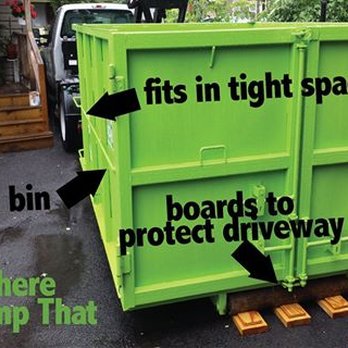
    Overhead obstacles include eaves, tree branches, and power lines. Property Protection: If you’re putting something on a driveway, ask to have boards placed underneath to protect the surface, or be ready to do it yourself. Permit Requirements: Generally speaking, no permit is required for private property in Muskoka.

    You will most likely require a permit from the local government if you must place the dumpster on a public road, street, or sidewalk (e.g. “g.”. Muskoka Lakes Township, Huntsville Town). It is your duty to do this. Filling your dumpster is step three.

    The work now starts! Load Equally: To avoid tipping or overloading one side, distribute waste as evenly as you can. Avoid Overfilling: Don’t ever fill the dumpster higher than the top edge. The haulage company must be able to cover and move it in a safe manner.

    A refusal of service or an additional trip fee to unload excess can result from overfilling. Safety first: Pay attention to heavy objects that might move, sharp objects, & protruding nails. Keep Prohibited Items Out: Make sure no prohibited items unintentionally enter your waste stream by double-checking it. Pickup is the fourth step.

    Just get in touch with the rental company when you’re finished. Scheduled or On-Call: Some rentals have a set duration (e.g. “g.”. with an automated pickup (7 days). You notify those who are “on-call” when it’s ready. Make sure the area surrounding the dumpster is free of obstructions so the truck can reach it & remove it.

    Muskoka isn’t just any region; its unique characteristics mean a few extra things to keep in mind. Getting Around on Country Roads. Narrow, winding, and occasionally unpaved roads lead to many stunning properties in Muskoka. Truck Access: Inform the rental company about any challenging road conditions, steep driveways, tight turns, or low-hanging branches that might impede their large trucks. Winter Conditions: If renting during colder months, consider potential snow and ice impacting delivery and pickup.

    Make sure the area in your driveway is clear. accountability for the environment. Muskoka takes its natural environment seriously, & responsible waste disposal is paramount. Local Bylaws: Be aware of any specific local bylaws regarding waste disposal in your particular municipality within Muskoka (e. (g). Gravenhurst, Bracebridge, & Port Carling).

    Respecting Wildlife: Keep dumpster lids closed if possible, especially in areas where wildlife (bears, raccoons) could be attracted to certain types of waste. demand during the peak season. Spring, summer, & fall are busy times in Muskoka, with cottages opening, renovations, and landscaping projects in full swing.

    Book Ahead: To ensure you get the dumpster size and delivery date you need, book your rental well in advance during these peak periods. Last-minute rentals might be harder to secure. Flexibility: If your timeline is flexible, consider booking during off-peak times if possible, as it might offer more availability.

    By keeping these points in mind, your dumpster rental experience in Muskoka should be as convenient and hassle-free as possible, allowing you to focus on your project, not your waste. It’s all about getting your waste sorted efficiently so you can get back to enjoying the Muskoka lifestyle.

    Bin There Dump That Muskoka is your local and trustworthy residential-friendly dumpster rental company. Contact us today for a free, no-obligation dumpster rental quote.


    FAQs


    What is dumpster rental?

    Dumpster rental is a service that provides a large waste container for temporary use. It is commonly used for construction projects, home renovations, and large clean-up projects.

    How does dumpster rental work in Muskoka?

    In Muskoka, dumpster rental companies offer various sizes of dumpsters for rent. Customers can choose the size that best fits their needs and schedule a delivery and pick-up date. The rental period is typically for a set number of days, and the rental company will haul away the dumpster and its contents once the rental period is over.

    What are the benefits of renting a dumpster in Muskoka?

    Renting a dumpster in Muskoka provides a convenient and efficient way to dispose of large amounts of waste. It helps to keep the work area clean and organized, and eliminates the need for multiple trips to a landfill or waste disposal site.

    What are the common uses for dumpster rental in Muskoka?

    Dumpster rental in Muskoka is commonly used for construction and demolition projects, home renovations, yard clean-ups, and large-scale decluttering or clean-out projects. It is also used by businesses and organizations for waste management purposes.

    What should I consider when renting a dumpster in Muskoka?

    When renting a dumpster in Muskoka, it is important to consider the size of the dumpster needed, the rental period, any local regulations or permits required, and the type of waste that will be disposed of. It is also important to inquire about any additional fees or restrictions related to the rental.

  • Efficient Waste Collection in Muskoka: Keeping our Community Clean

    Efficient Waste Collection in Muskoka: Keeping our Community Clean

    It takes a team effort to maintain Muskoka’s beauty, particularly when it comes to waste. Knowing the local regulations regarding what goes where, when it is picked up, and how best to prepare it is the most significant thing you can do to contribute to effective waste collection here. It takes more than just throwing things in a trash can to keep our community clean and our waste management system operating efficiently. Now let’s get into the specifics of waste collection. Although it’s intended to be as simple as possible, everyone benefits from understanding the details.

    Basic Curbside Collection. Curbside collection is the main way that most residents dispose of household waste. This is where your regular trash, recyclables, and occasionally organic waste are collected straight from your property. When to Put It Out: Generally, on the day of collection, waste must be at the curb by 7:00 AM.

    In Muskoka, the efficient management of waste collection is crucial for maintaining the region’s natural beauty and environmental health. A related article that delves deeper into this topic can be found at this link, where you can explore insights on local waste management practices and tips for residents to contribute to a cleaner community.

    If at all possible, avoid leaving it outside the night before because wildlife can cause a lot of mess, especially when it comes to trash. Where to Put It: Put your bins and bags at the end of your driveway so the collection crew can see them and get to them quickly. Verify that they don’t obstruct roads or sidewalks.

    Collection Schedule: Depending on your address, you will have a different collection day. This information is typically available via the District of Muskoka’s waste management app (if available) or on their website. Routes can occasionally be changed, so it’s a good idea to double-check this every year. The Importance of Waste Diversion.

    Waste diversion is about keeping as much as possible out of landfills, not just getting rid of stuff. This covers composting, recycling, and even disposing of hazardous waste. Our landfills and resources are less stressed with each item that is diverted. Environmental Impact: Landfills generate greenhouse gases and occupy space.

    Effective waste collection is crucial for maintaining the beauty of Muskoka, especially during the busy spring season when many residents and visitors engage in clean-up activities. For those considering ways to manage their waste efficiently, a related article discusses the benefits of renting a bin during this time. You can read more about it in this informative piece on why spring is the best time to rent a bin in Muskoka. This resource provides valuable insights into how proper waste management can enhance the region’s natural charm while making clean-up efforts more manageable.

    We lessen both of these by rerouting waste. Resource conservation: Recycling reduces the need to extract new raw materials by allowing materials to be reused. Consider the energy savings from recycling aluminum cans as opposed to producing new ones from bauxite! Economic Benefits: The municipality may save money through effective waste diversion, and processing and reuse jobs may be generated locally. Probably the most important thing you can do is properly prepare your waste. It guarantees that your items are truly accepted, expedites the collection process, and lowers contamination.

    Garbage: What Is Permitted and How Much? There are restrictions on what and how much you can put in your regular trash. These rules are in place for a good reason – to encourage recycling & reduce overall landfill volume. Bag Limits: The quantity of trash bags permitted for each collection is restricted in the majority of Muskoka.

    Exceeding this limit may result in your extra bags not being picked up or requiring the use of special tags, so check the District’s policies. Bag Weight: Limit the weight of your bags. These must be manually lifted by collection employees, & bags that are too heavy could be dangerous. Generally speaking, each bag should not weigh more than 20 kg (roughly 44 lbs).

    Prohibited Items: Your regular garbage should not contain construction debris, electronics, or hazardous waste. We’ll talk about these individually. Also, make sure that your trash doesn’t contain any recyclables or food waste that could be composted.

    Blue Box Recycling System. There is a strong blue box recycling program in Muskoka. The secret to successful recycling is understanding what goes into it and how to prepare it. Plastic bottles, tubs, jugs (please rinse!), steel cans, aluminum cans, empty aerosol cans, glass bottles, and jars (rinsed, no lids) are examples of mixed containers. To prevent contaminating other materials, make sure items are reasonably clean.

    Newspapers, flyers, magazines, telephone books, boxboard (cereal boxes, tissue boxes), corrugated cardboard (flattened, no more than 2×2 feet), & fine paper are examples of mixed paper and cardboard. Make sure it stays dry! The big one is to avoid plastic bags. You cannot use plastic film or shopping bags inside your blue box.

    They entangle the recycling facility’s machinery. There are return bins for these at many grocery stores. Styrofoam: Sadly, curbside recycling in Muskoka typically does not accept Styrofoam (meat trays, cups, & packing peanuts).

    Success Advice: To avoid pests and odors, rinse containers. Cardboard can be flattened to save space. Recyclables must be loose; do not bag them inside the blue box. Organics: Simple Composting.

    Muskoka has made progress in increasing the collection of organic waste, which is great for cutting down on waste going to landfills and producing useful compost. Green Bin Program: If your community has a green bin program, use it for all of your food scraps (raw or cooked, meat, dairy, and bones), soiled paper goods (such as paper towels and greasy pizza boxes), and yard waste (if it’s allowed in the green bin). Fruit and vegetable scraps, bread, pasta, rice, meat, poultry, fish, bones, dairy products, eggs and eggshells, coffee grounds and filters, tea bags, soiled paper napkins & towels, & some pet waste (check specific guidelines) are all acceptable items. Using Compostable Liners: You can transport waste to your green bin much more easily & cleanly by using compostable bags for your kitchen catcher. Look for compostable bags. Why Compost?

    Methane emissions from landfills, a powerful greenhouse gas, are greatly reduced when food waste is composted. Also, the compost that is produced can improve soil. Not everything can be disposed of in curbside bins. Muskoka provides a number of additional disposal options for those more difficult items. By being aware of these, improper dumping is avoided and environmental safety is maintained.

    Transfer Stations: For More & Bigger Items. When you have too much for your regular collection or items that aren’t picked up at the curb, you can bring them to transfer stations, which serve as central hubs. What They Accept: Large furniture, mattresses, scrap metal, tires, construction and demolition waste, excess garbage (usually for a fee), and occasionally even yard waste. Fees: Keep in mind that the majority of transfer stations impose fees on specific waste categories, particularly large objects or construction waste.

    The costs of processing and disposal are partially covered by these fees. Operating Hours: Verify the precise times that your closest transfer station is open. The majority of the time, they are closed. Sorting is essential: You will frequently be directed to different bays or areas for different kinds of waste when you arrive at a transfer station.

    Pre-sorting your belongings will expedite & simplify your visit. Hazardous waste in the home (HHW). This is extremely crucial. Paints, solvents, pesticides, and batteries are among the hazardous materials that can contaminate our surroundings if improperly disposed of. Special Drop-Off Events: For HHW drop-off, Muskoka usually arranges permanent facilities or particular dates.

    These occurrences are essential for secure disposal. Aerosols, batteries (of all kinds), bleach, cleaning solutions, fluorescent tubes and bulbs, motor oil, antifreeze, paints, varnishes, pesticides, pool chemicals, propane tanks, and solvents are examples of what makes up HHW. It’s probably HHW if the label says so. Don’t Pour Down the Drain: This can damage wildlife and contaminate our water systems.

    Safe Transport: To avoid spills, make sure containers are sealed and driven safely in your car when delivering HHW to a drop-off. What About Medication? You shouldn’t flush or discard any unused or expired medications. The majority of pharmacies provide take-back programs for secure disposal. Electronic Trash (E-Trash).

    In addition to hazardous parts that require careful handling, old TVs, computers, cell phones, and other electronics contain valuable materials that can be recycled. Dedicated Drop-Offs: E-waste will be collected at specific locations or events in Muskoka. These are typically found at particular recycling depots or transfer stations. Computers, laptops, monitors, printers, scanners, TVs, VCRs, DVD players, stereos, landline and mobile phones, cameras, and even a few small home appliances are all considered e-waste. Data Security: To safeguard your privacy, make sure you’ve backed up and erased all of your personal data before returning computers or phones. There are always problems with systems, even the best ones.

    We can all troubleshoot and maintain smooth operations by being aware of these common problems. Wildlife and Trash. This is a well-known one among Muskoka residents.

    Bears, raccoons, and other animals are constantly searching for a quick meal, and your trash may be an enticing target. Secure Bins: Make use of bins with lids that fit snugly and can be locked. You can avoid a great deal of suffering by purchasing sturdy, animal-resistant containers. Waste should only be disposed of on the day of collection, as previously stated. The window of opportunity for animals is greatly reduced as a result.

    Cleanliness: To reduce offensive odors, rinse out recyclables and securely bag food scraps in your trash or green bin. Bear-Proofing: Bear-proof containers are frequently required in areas where bears are active. If you live in a high-risk area, check the local bylaws regarding these. Recycling contamination. When non-recyclable items wind up in the blue box, they contaminate the entire batch, making processing more difficult and costly and occasionally resulting in the entire load being dumped in a landfill. When in Doubt, Throw It Out (or Check!): It’s preferable to throw something in the trash rather than “wishcycle” it if you’re not sure if it’s recyclable.

    As an alternative, use the District’s waste guide or wizard. One persistent problem is the “No Plastic Bags” Rule. Recall that plastic bags are sent to grocery store take-back programs rather than your blue box. Rinse Containers: A batch of otherwise good recyclables may become spoiled by food residue. illicit dumping.

    Unfortunately, Muskoka is not an exception to the problem of illegal dumping in many lovely places. Cleanup is expensive for taxpayers and deteriorates the environment. Report It: Notify the local or district police if you come across a site or see illegal dumping. Give as much information as you can, including the location, time, license plate, and description of the car.

    Use Appropriate Channels: Stress to others how crucial it is to dispose of bulky or specialized waste using transfer stations and appropriate techniques. These “other disposal options” are crucial in this situation. Community Clean-Ups: Take part in or plan clean-up events for the community. These encourage a sense of collective responsibility for our environment in addition to clearing out dumped waste.

    It’s always a good idea to stay informed because waste management regulations & programs are subject to change. The real efficiency of our system comes from your involvement. Muskoka Resources District. For the most precise and current information, visit the District’s website. Waste Management Guides: Seek out interactive tools (such as a “Waste Wizard” search bar) or downloadable guides that specify where particular items go.

    Collection Calendars: Make a copy of your particular collection schedule or save it to a bookmark. Also, a lot of municipalities provide app notifications or email reminders. Contact Details: If you have any particular queries or worries, don’t be afraid to contact the waste management department by phone or email. Big Impact, Small Changes. Muskoka’s waste management initiatives can be greatly impacted by even modest daily actions.

    Reduce First: Waste that was never produced in the first place is the best kind. Consider cutting back on consumption, purchasing long-lasting items, and selecting goods with little packaging. Reuse What You Can: Before discarding anything, think about whether it can be fixed, donated, or put to another use. Educate Others: Tell your friends, relatives, and neighbors what you know. Communities that are better informed tend to be cleaner.

    Be Patient and Positive: When interacting with staff, a little patience and a positive outlook go a long way, even though collection can occasionally go wrong. Recall that they put a lot of effort into keeping our neighborhood tidy. We can all help maintain Muskoka as the tidy, lovely city we love to visit and live in by cooperating & taking a little extra care with our trash. Every effort matters, and it is a shared responsibility.
    .

    FAQs

    What is waste collection in Muskoka?

    Waste collection in Muskoka refers to the process of collecting and disposing of household waste, recyclables, and organic materials in the Muskoka region of Ontario, Canada.

    Who is responsible for waste collection in Muskoka?

    The District Municipality of Muskoka is responsible for waste collection in the region. They oversee the collection of garbage, recycling, and organic waste from residential properties.

    What items are accepted for waste collection in Muskoka?

    Accepted items for waste collection in Muskoka include household garbage, recyclables such as paper, plastic, glass, and metal, as well as organic waste such as food scraps and yard waste.

    How often is waste collected in Muskoka?

    Waste collection in Muskoka varies depending on the specific area and type of waste. Generally, garbage is collected on a weekly basis, while recycling and organic waste may be collected bi-weekly or seasonally.

    What are the guidelines for waste collection in Muskoka?

    Residents are required to follow specific guidelines for waste collection in Muskoka, including using designated waste containers, sorting recyclables properly, and adhering to collection schedules. Improper disposal of waste may result in fines or penalties.

    The most popular bin rental size we rent in Muskoka is our 14- yard dumpster.

  • What Can You Put in a Bin Rental in Muskoka?

    What Can You Put in a Bin Rental in Muskoka?

    Renting a bin is one of the easiest ways to handle waste during a home renovation, cottage cleanup, landscaping project, or major decluttering effort. However, many Muskoka homeowners and cottage owners aren’t always sure what materials can actually go into a bin rental.

    Understanding what is accepted—and what is prohibited—can help you avoid additional fees, ensure proper disposal, and keep your cleanup project running smoothly.

    In this guide, we’ll cover the most common items that can be placed in a bin rental in Muskoka and explain which materials require special handling.

    Common Household Junk

    One of the most popular uses for a bin rental is getting rid of unwanted household items.

    Accepted household junk typically includes:

    • Furniture
    • Mattresses
    • Box springs
    • Toys
    • Clothing
    • Books
    • Household décor
    • Small appliances
    • General clutter

    Whether you’re downsizing, moving, or simply reclaiming storage space, a bin rental makes it easy to dispose of large amounts of unwanted items at once.

    Renovation and Construction Debris

    Home improvement projects generate significant amounts of waste that can quickly overwhelm regular garbage collection.

    Most bin rentals can accept:

    • Drywall
    • Wood
    • Flooring
    • Tile
    • Cabinetry
    • Countertops
    • Insulation
    • Doors
    • Windows
    • Trim and moulding

    If you’re renovating a cottage, updating a bathroom, or remodeling a kitchen, a bin rental provides a convenient disposal solution.

    Roofing Materials

    Roof replacements are common throughout Muskoka, especially on older cottages and seasonal properties.

    Most roofing materials can be placed in a bin, including:

    • Asphalt shingles
    • Roofing felt
    • Flashing
    • Roof decking
    • Underlayment

    Because roofing debris can be heavy, it’s important to discuss weight limits with your bin rental provider before loading the container.

    Yard Waste and Landscaping Debris

    Many Muskoka property owners use bin rentals for seasonal property maintenance and landscaping projects.

    Accepted yard waste often includes:

    • Tree branches
    • Brush
    • Leaves
    • Grass clippings
    • Shrubs
    • Garden waste
    • Small logs

    Whether you’re preparing your cottage for summer or cleaning up after a storm, a bin rental can help manage outdoor debris efficiently.

    Deck and Fence Removal Materials

    Replacing an aging deck or fence can generate a surprising amount of waste.

    Most bins can accommodate:

    • Pressure-treated lumber
    • Fence panels
    • Railings
    • Deck boards
    • Posts
    • Hardware

    These materials are bulky and difficult to dispose of through regular municipal collection, making a bin rental an ideal solution.

    Concrete, Brick, and Masonry

    Many bin rental companies offer dedicated bins for heavy materials.

    Accepted materials may include:

    • Concrete
    • Brick
    • Stone
    • Pavers
    • Asphalt
    • Patio slabs

    Because these materials are extremely heavy, special weight restrictions may apply. Always check with your bin rental company before loading large quantities.

    Cottage Cleanout Waste

    Cottage ownership in Muskoka often comes with years of accumulated items that need to be cleared out.

    A bin rental is perfect for disposing of:

    • Old furniture
    • Broken dock materials
    • Outdated décor
    • Storage room clutter
    • Unused recreational equipment
    • General cottage junk

    Many property owners schedule a bin rental before opening their cottage for the season or when preparing a property for sale.

    Items That Typically Cannot Go in a Bin Rental

    While bins accept a wide variety of materials, certain items require special disposal methods.

    Common prohibited items include:

    Hazardous Waste

    • Paint
    • Solvents
    • Chemicals
    • Pesticides
    • Oil products

    Automotive Materials

    • Tires
    • Motor oil
    • Antifreeze
    • Car batteries

    Electronics

    • Computers
    • Televisions
    • Printers
    • Monitors

    Appliances Containing Refrigerants

    • Refrigerators
    • Freezers
    • Air conditioners

    Other Restricted Items

    • Propane tanks
    • Asbestos
    • Medical waste
    • Explosives
    • Fuels

    These materials require specialized recycling or disposal procedures and should never be mixed with general waste.

    Tips for Loading Your Bin Efficiently

    To maximize space and reduce costs:

    Break Down Large Items

    Disassemble furniture and cut larger materials into manageable pieces when possible.

    Place Flat Materials First

    Load drywall, plywood, and other flat materials along the bottom to create a stable base.

    Distribute Weight Evenly

    Avoid concentrating heavy materials in one area of the bin.

    Don’t Overfill

    Materials should not extend above the top edge of the container to ensure safe transportation.

    Why Muskoka Homeowners Choose Bin Rentals

    Bin rentals provide a convenient, affordable, and time-saving solution for a variety of cleanup projects. Instead of making multiple trips to local disposal facilities, you can have a container delivered directly to your property and picked up when you’re finished.

    Whether you’re renovating a cottage, tackling a landscaping project, replacing a roof, or simply decluttering your home, a bin rental can help make waste removal simple and stress-free.

    Need a Bin Rental in Muskoka?

    If you’re planning a cleanup, renovation, or property improvement project, our Bin There Dump That Muskoka bin rental team can help you choose the right bin size and explain exactly what materials can be safely disposed of. Contact us today to schedule your Muskoka bin rental and keep your project organized from start to finish.

  • 5 Signs You Need a Bin Rental for Your Cottage Cleanup in Muskoka

    5 Signs You Need a Bin Rental for Your Cottage Cleanup in Muskoka

    Owning a cottage in Muskoka comes with incredible views, relaxing weekends, and unforgettable summers. However, after a long winter or a busy season of entertaining guests, cottage properties can accumulate more waste and clutter than many owners realize. Whether you’re preparing for summer, completing renovations, or simply reclaiming valuable space, a bin rental can make the cleanup process much easier.

    Here are five signs it’s time to rent a bin for your Muskoka cottage cleanup.


    1. Your Spring Cottage Opening Is Producing More Waste Than Expected

    Opening your cottage after months of winter weather often reveals piles of debris that need attention. Fallen branches, damaged outdoor furniture, old building materials, and general clutter can quickly overwhelm regular garbage collection.

    If your cleanup requires multiple trips to the local waste facility, a bin rental can save significant time and effort by allowing you to dispose of everything in one convenient location.

    Common Spring Cleanup Items:

    • Tree branches and brush
    • Broken patio furniture
    • Old appliances
    • Damaged decking materials
    • General household clutter

    2. You’re Renovating or Upgrading Your Cottage

    Even small renovation projects create surprising amounts of waste. Whether you’re updating a kitchen, replacing flooring, building a new deck, or renovating a bathroom, debris can pile up quickly.

    A bin rental provides a designated space for:

    • Drywall
    • Lumber
    • Flooring materials
    • Cabinets
    • Roofing materials
    • Construction debris

    Having a bin on-site keeps your property organized and helps contractors work more efficiently.


    3. Your Garage, Shed, or Boathouse Is Overflowing

    Many cottage owners use sheds, garages, and boathouses as storage areas for years. Eventually, these spaces become filled with items that are no longer useful.

    If you find yourself navigating around broken equipment, old furniture, unused tools, or outdated recreational gear, it may be time for a major cleanout.

    A bin rental makes it easy to clear out:

    • Old lawn equipment
    • Damaged docks and boat accessories
    • Unused furniture
    • Scrap wood
    • Miscellaneous junk

    4. You’re Preparing to Sell or Rent Your Cottage

    First impressions matter when selling or renting a Muskoka property. Potential buyers and renters are more attracted to clean, well-maintained cottages with organized outdoor spaces.

    Removing excess clutter can:

    • Improve curb appeal
    • Make outdoor areas appear larger
    • Highlight property features
    • Increase perceived property value

    A bin rental allows you to quickly remove unwanted items before listing your property.


    5. One Pickup Truck Load Isn’t Enough

    A good rule of thumb is simple: if your cleanup project will require multiple trips to the landfill or transfer station, a bin rental is often the more efficient option.

    Instead of:

    • Loading and unloading repeatedly
    • Spending hours driving back and forth
    • Paying multiple disposal fees

    You can have a bin delivered directly to your property and filled at your own pace.

    This convenience is especially valuable for cottages located in more remote areas of Muskoka.


    Benefits of Renting a Bin for Cottage Cleanups

    When you rent a bin, you gain:

    Convenience

    Dispose of waste in one central location.

    Time Savings

    Avoid multiple trips to disposal facilities.

    Improved Safety

    Keep debris contained and reduce tripping hazards.

    Flexible Sizes

    Choose the right bin for your project.

    Faster Cleanup

    Complete large projects more efficiently.


    Make Your Muskoka Cottage Cleanup Easy

    Whether you’re opening your cottage for the season, tackling a renovation, preparing to sell, or simply clearing years of accumulated clutter, a bin rental can make the job faster and more manageable.

    With convenient delivery, flexible rental periods, and multiple bin sizes available, you can focus on enjoying your cottage while leaving the waste removal to the professionals.

    Book Your Muskoka Bin Rental Today

    Ready to simplify your cottage cleanup? Contact your local Bin There Dump That Muskoka bin rental provider today for fast delivery, affordable pricing, and reliable service that helps keep your property clean, organized, and ready for the season ahead.

  • Why Spring Is the Best Time to Rent a Bin in Muskoka

    Why Spring Is the Best Time to Rent a Bin in Muskoka

    Muskoka Bin Rental

    Spring in Muskoka means one thing for many homeowners and cottage owners: cleanup season has officially arrived. After a long winter, properties often need serious attention, from yard debris and old furniture removal to renovation waste and garage cleanouts. That’s why spring is one of the busiest and smartest times to rent a disposal bin in Muskoka.

    1. Spring Cleanup Creates More Waste Than Expected

    As the snow melts, many property owners discover piles of branches, damaged outdoor furniture, leftover renovation materials, and clutter that accumulated over the winter months. A bin rental makes it easy to handle large amounts of waste quickly without making multiple trips to the dump.

    Perfect for:

    • Cottage openings
    • Garage cleanouts
    • Basement decluttering
    • Landscaping projects
    • Roofing and renovation debris

    2. Get Your Cottage Ready for Summer

    Muskoka cottage season starts early. Renting a bin in the spring helps you prepare your property before guests, renters, or family arrive for the summer.

    Whether you’re replacing decks, updating docks, renovating kitchens, or clearing out old junk, having a disposal bin on-site keeps your project organized and efficient.

    3. Save Time and Avoid Multiple Dump Runs

    One of the biggest advantages of renting a bin is convenience. Instead of loading your vehicle repeatedly and driving back and forth to disposal sites, you can toss everything into one container and focus on your project.

    This is especially valuable in Muskoka, where dump locations may be farther from cottages and rural properties.

    4. Spring Renovation Season Starts Early

    Contractors and homeowners often begin renovation projects as soon as temperatures improve. Bin rentals are essential for disposing of:

    • Drywall
    • Wood
    • Flooring
    • Shingles
    • Demolition debris
    • Construction waste

    Booking early in the season also helps ensure availability before peak summer demand.

    5. Improve Property Appearance and Safety

    Removing clutter and debris after winter instantly improves curb appeal and creates a safer environment around your home or cottage. Clearing fallen branches, scrap materials, and unwanted items can help prevent accidents and make outdoor spaces more enjoyable.

    Affordable Bin Rentals in Muskoka

    Whether you’re tackling a spring cleanup, renovation, or landscaping project, renting a bin is the easiest way to manage waste efficiently.

    Our Muskoka bin rental services offer:

    • Fast delivery
    • Multiple bin sizes
    • Affordable pricing
    • Residential and contractor solutions
    • Easy pickup scheduling

    Book Your Spring Bin Rental With Bin There Dump That Muskoka

    Spring is one of the busiest seasons for bin rentals in Muskoka. Reserve your bin early and make your seasonal cleanup simple, fast, and stress-free.