Muskoka’s Recycling Services: How Locals Are Making a Real Difference. You’re not the only one wondering how to manage your waste in Muskoka. For good reason, a lot of locals and tourists are curious about the specifics of recycling.
It’s important to actively contribute to a cleaner, more sustainable Muskoka for everyone, not just place trash cans. This guide goes into detail about Muskoka’s recycling services, including what they entail, how they operate, and the difference your participation makes. Let’s get right to the point: understanding what is acceptable & how to prepare it is the first step towards effective recycling. The efficiency with which materials can be recycled is greatly impacted by adhering to Muskoka’s specific guidelines. The enemy of recycling programs is contamination, which causes materials to end up in landfills even after they have been collected.
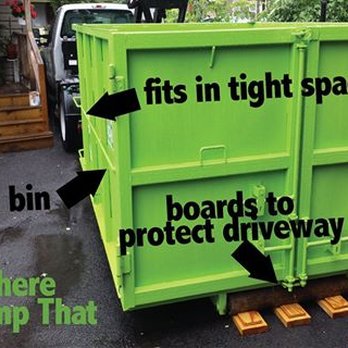
Recycling services in Muskoka play a crucial role in maintaining the region’s natural beauty and promoting sustainable practices among residents and visitors alike. For those looking to enhance their recycling efforts, it’s beneficial to understand the advantages of renting a bin, especially during the spring season when many people engage in cleaning and decluttering. To learn more about why spring is the best time to rent a bin in Muskoka, you can read this informative article: Why Spring is the Best Time to Rent a Bin in Muskoka.
The Blue Bin Program: Your Daily Hero. The foundation of residential recycling in Muskoka is the curbside blue bin program. The most typical recyclable materials produced in our homes are intended to be captured. Beyond the Number: Plastics. This is often where confusion lies.
Although plastic containers may have numbers on them, Muskoka’s program usually accepts plastic containers used for food or drink. Consider soda bottles, yogurt cups, and tubs of margarine. Emptying and rinsing them is crucial. Also, aerosol cans without plastic caps are typically accepted.
Even within a region, regulations can differ slightly, so it’s important to double-check the specific local guidelines. Dry and flatten cardboard and paper. The blue bin is often filled with newspapers, magazines, junk mail, cereal boxes (without liners), & flattened cardboard boxes. The important things here are to flatten cardboard to save space, & to keep everything as dry as possible.
Recycling services in Muskoka play a crucial role in maintaining the region’s natural beauty and promoting sustainability. For those considering a cleanup project, understanding when to rent a bin can be essential. A helpful resource on this topic can be found in a related article that discusses the signs indicating you might need a bin rental for your cottage cleanup in Muskoka. You can read more about it here. By utilizing these services, residents can ensure that their waste is managed responsibly while contributing to a cleaner environment.
Wet paper & cardboard can get moldy and become difficult to recycle. Pizza boxes with grease stains are a common offender; unfortunately, the grease contaminates the paper fibers. Rinse & recycle metal cans. Aluminum and steel cans, like those from soup, vegetables, and beverages, are highly recyclable. A quick rinse is usually all they need.
Recycling services in Muskoka play a crucial role in promoting sustainability and reducing waste in the community. For those looking to understand what materials can be effectively recycled, a helpful resource is available in the article that discusses the specifics of bin rentals in the area. You can read more about this topic in the article what can you put in a bin rental in Muskoka, which provides valuable insights into proper waste disposal practices and the importance of recycling.
Make sure to take out any straws or plastic lids. Glass Containers: Handle with Care. Glass jars and bottles are accepted. Like with plastics & metals, a good rinse is essential. Again, remove any lids or caps.
Be mindful not to include broken glass in your blue bin; for safety reasons, broken glass is typically not accepted in curbside recycling & should be disposed of safely in your regular waste. What Doesn’t Go in the Blue Bin? This is just as important as knowing what does.
Unfortunately, many items that look recyclable aren’t accepted in the curbside program due to technical or contamination issues. The “Wish-Cycling” Trap. Many people fall into the “wish-cycling” trap – tossing something in the blue bin hoping it gets recycled.
This often harms the process. Common culprits include plastic bags and film (these jam sorting machinery), Styrofoam, ceramics, food-soiled containers, and electronics. Where to Take the “No’s”. Don’t despair if an item isn’t blue bin friendly.
Many of these things have separate, specialized recycling streams. We’ll cover those later. While the blue bin handles a lot, Muskoka offers other avenues for recycling items that can’t go to your curb. These facilities are crucial for capturing a wider range of materials & ensuring they’re handled responsibly. Waste Transfer Stations: Your Local Hubs.
Muskoka has several transfer stations that serve as key points for residents to drop off their waste and recyclables. These aren’t landfills themselves; they’re places where waste is consolidated for transport to larger processing facilities. What You Can Bring to Transfer Stations. Here’s where you can often take materials that don’t fit in your blue bin. Think larger cardboard boxes, some types of plastics not accepted curbside, and even specific local recycling initiatives.
It’s always a good idea to check the specific transfer station’s accepted materials list before you go, as offerings can vary. This prevents any wasted trips. Fees and Procedures.
Be aware that some materials dropped off at transfer stations might have associated fees. This is often the case for bulky items or construction debris. Familiarize yourself with the operating hours and any specific procedures for drop-off, such as sorting materials yourself. Regional and Provincial Programs: Tapping into Wider Networks.
Muskoka participates in broader recycling initiatives that cover items often purchased by households. These programs are essential for managing the lifecycle of products once they leave the store. Stewardship Ontario Programs. Programs like those managed by Stewardship Ontario are vital for recycling specific product types. This often includes items like electronics and household hazardous waste. Electronics Recycling (e-Waste).
Old computers, televisions, cell phones, and other electronic devices contain valuable materials but also hazardous components. Designated e-waste collection sites handle these responsibly, ensuring proper disposal and recovery of valuable metals. Household Hazardous Waste (HHW).
Batteries, paint, chemicals, & fluorescent light bulbs are considered household hazardous waste. These items should never go in regular garbage or recycling bins as they can be harmful to the environment and pose safety risks. Muskoka typically has specific collection events or drop-off locations for HHW.
Tire Stewardship. Old tires are another item that requires special handling. Programs exist to collect & recycle them, often turning them into new products or energy. The most impactful way to contribute to sustainability isn’t just what you recycle, but what you don’t generate in the first place. Waste reduction is key, and Muskoka residents have plenty of opportunities to lessen their environmental footprint.
The Power of Reuse: Giving Items a Second Life. Before you even think about recycling, consider if an item can be reused. This is the most sustainable option & often saves you money. Repair, Don’t Replace. Can that chair be fixed? Can that appliance be repaired?
Investing a little time or money in repairs can significantly extend the life of an item and prevent it from becoming waste. Donation and Second-Hand. Clothes, furniture, books, & many other household items can find new homes through donation to local charities or by selling them at second-hand shops. Muskoka has several such outlets that support community initiatives and give pre-loved items a chance to be useful again.
Reusable Alternatives. Making the switch to reusable items is a straightforward way to cut down on single-use waste. Think reusable shopping bags, water bottles, coffee cups, and food containers. Small changes like these add up considerably over time. Conscious Consumption: Buying Smarter.
The choices we make at the point of purchase have a ripple effect on waste generation. Bulk Buying and Minimal Packaging. Opting for products with minimal packaging or buying in bulk can significantly reduce the amount of disposable material you bring home. This also often leads to cost savings.
Local & Sustainable Products. Supporting local producers & choosing products made from sustainable materials can reduce transportation emissions and encourage a more circular economy. It’s easy to think of recycling as just a chore, but the collective efforts of Muskoka residents have tangible positive outcomes. Understanding these benefits can be a great motivator. Conserving Natural Resources.
Recycling significantly lessens the need to extract virgin raw materials from the earth. Think about the energy & environmental impact of mining for metals or logging for paper. Recycling allows us to reuse materials we already have. Reducing Landfill Burden. Landfills take up valuable space and can pose environmental risks if not managed properly. By diverting waste through recycling, we extend the lifespan of existing landfills and minimize the need for new ones.
Creating Local Economic Opportunities. The collection, sorting, and processing of recyclable materials often create local jobs. Also, the recycled materials themselves can be valuable commodities for manufacturing industries.
Lowering Greenhouse Gas Emissions. Producing goods from recycled materials generally requires less energy than producing them from raw materials. This reduced energy consumption translates to lower greenhouse gas emissions, contributing to climate change mitigation. For most residents, the goal is to make recycling as simple and effective as possible. Here are some tips and resources to help you navigate Muskoka’s recycling services smoothly. Your Local Municipality’s Website: The Go-To Source.
The most accurate and up-to-date information on recycling and waste management in your specific area of Muskoka will always be found on your local municipal website. This is where you’ll find:. Collection schedules: Knowing when your blue bin is picked up is fundamental. Accepted materials lists: These are detailed and can change, so checking regularly is wise. Transfer station locations & hours: Essential for dropping off items not suitable for curbside collection.
Special collection event information: For things like Household Hazardous Waste and e-waste. Making Your Recycling Count: Practical Tips. Rinse and Dry: This is worth repeating. Clean recyclables are much more likely to be processed successfully. Flatten Cardboard: Saves space in your bin and in collection trucks. Loose in the Bin: Don’t bag your recyclables unless specified.
Plastic bags can jam sorting equipment. Know Your Plastics: Focus on empty food and beverage containers. When in doubt, check your local guidelines or throw it out (in your regular waste). Keep it Dry: Protect your recyclables from rain and snow as much as possible.
Community Involvement and Education. Many communities in Muskoka have local stewardship groups or environmental organizations that promote waste reduction and recycling. Engaging with these groups can provide further insights and opportunities to get involved. Staying informed and participating actively ensures that Muskoka continues to be a leader in sustainable waste management. As technology advances and our understanding of environmental challenges grows, so too will Muskoka’s approach to waste management.
The commitment to making a sustainable impact is ongoing. Emerging Technologies and Innovations. The recycling industry is constantly evolving. New sorting technologies are making it possible to separate materials more efficiently than ever before.
Innovations in processing are also creating new markets for recycled materials, making the entire cycle more viable. Circular Economy Principles in Action. The focus is shifting from a linear “take-make-dispose” model to a circular economy, where materials are kept in use for as long as possible.
This means designing products for durability, repairability, and recyclability from the outset. Muskoka’s recycling services are a vital component of this broader transition. Your Role in the Ongoing Effort. Every time you rinse a jar, flatten a box, or choose a reusable alternative, you’re contributing to this larger vision. The individual actions, multiplied across thousands of Muskoka residents, create a powerful force for environmental stewardship. By staying informed and actively participating in Muskoka’s recycling programs, you’re not just managing waste; you’re investing in the health and beauty of the place we all call home.
.
FAQs
What recycling services are available in Muskoka?
There are several recycling services available in Muskoka, including curbside pickup for household recyclables, drop-off depots for various materials, and special collection events for items like electronics and hazardous waste.
What materials can be recycled in Muskoka?
Muskoka’s recycling program accepts a wide range of materials, including paper, cardboard, glass, plastic containers, metal cans, and certain types of electronics. It’s important to check with the local recycling program for specific guidelines on what can and cannot be recycled.
How can I find a recycling drop-off location in Muskoka?
Residents of Muskoka can easily find recycling drop-off locations by visiting the municipal website or contacting the local waste management department. Many municipalities also provide maps and directories of recycling depots for easy access.
Are there any fees for recycling services in Muskoka?
In Muskoka, most recycling services for household materials are included in the waste management fees paid by residents. However, there may be additional fees for certain items, such as electronics or hazardous waste, during special collection events.
What are the benefits of recycling in Muskoka?
Recycling in Muskoka helps to conserve natural resources, reduce landfill waste, and minimize environmental impact. It also supports the local economy by creating jobs in the recycling industry and promoting sustainable practices within the community.